
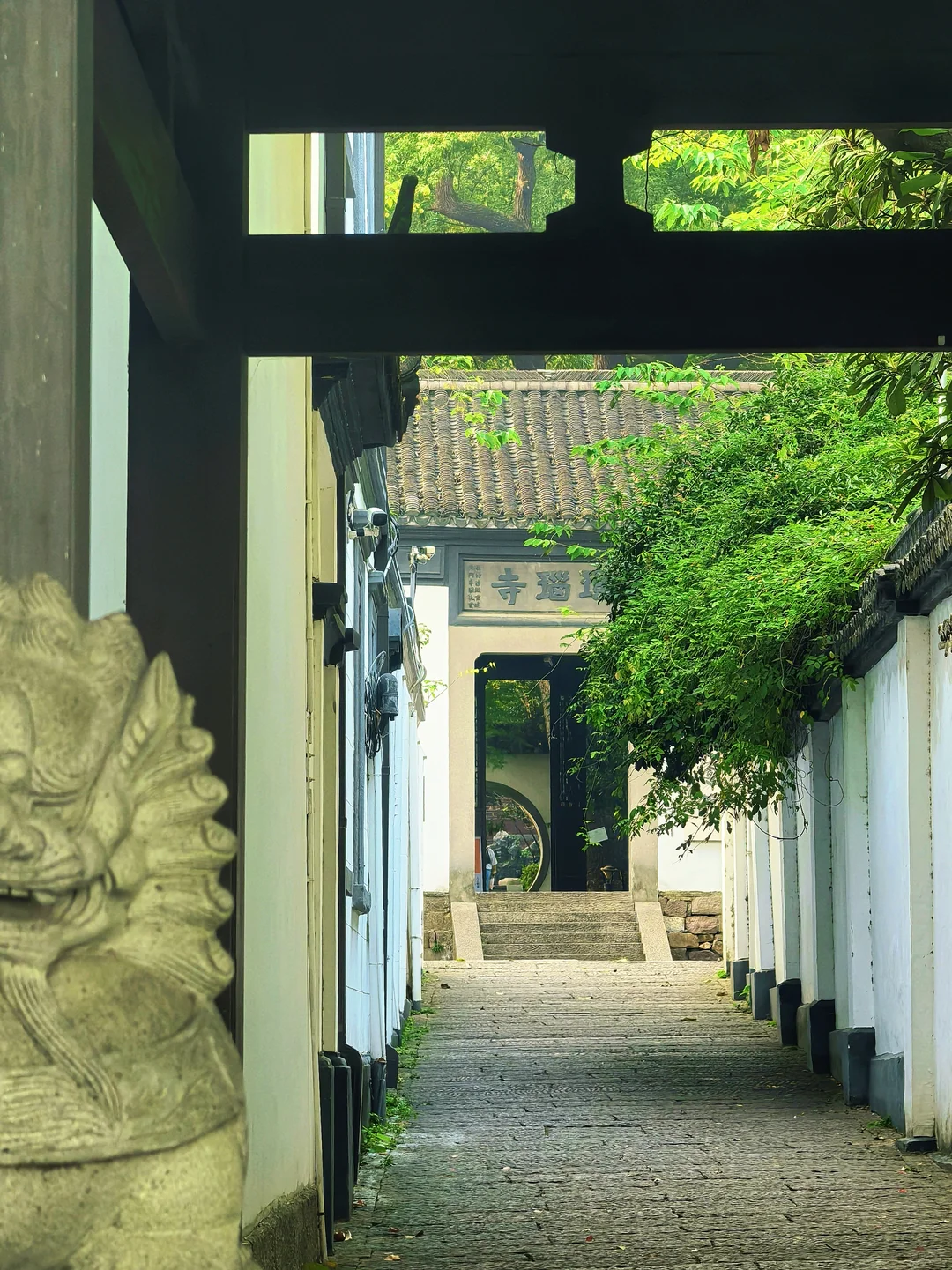
📍 Location & Overview: Manao Temple (originally named Manao Baosheng Monastery) is nestled at No. 17 Geling Road, along the central stretch of Beishan Street in the West Lake Scenic Area. Backed by Baoshi Hill and facing West Lake, the temple enjoys a serene setting amidst mountains and water.First established in 946 AD during the Later Jin dynasty of the Five Dynasties period, it was founded by Qian Hongzuo, King of the Wuyue Kingdom. Originally located on Ma’nao Slope at Solitary Hill—named for its quartz-rich rocks that shimmered like agate—the temple was relocated to its current site at the foot of Geling Hill in 1152 during the Southern Song dynasty due to imperial construction projects. With over 1,080 years of history, it stands as one of Hangzhou’s oldest cultural landmarks.The present-day complex is based on Qing Dynasty (Tongzhi era, 1862–1874) architectural remnants. Although the main hall no longer exists, the gatehouse, side courtyards, and traditional garden layout retain their historic charm. Since 2008, the site has housed the Lien Heng Memorial Hall, making it a significant venue for cross-strait cultural exchange.
🌟 Key Highlights
1. A Hidden Gem Amid West Lake’s Bustle
Tucked away down a quiet alley just off the lively Beishan Street, Manao Temple offers a rare oasis of tranquility. Unlike typical temples filled with incense and crowds, this place invites quiet reflection—ideal for history lovers and seekers of peace.
2. Lien Heng Memorial Hall: A Bridge Across the Strait
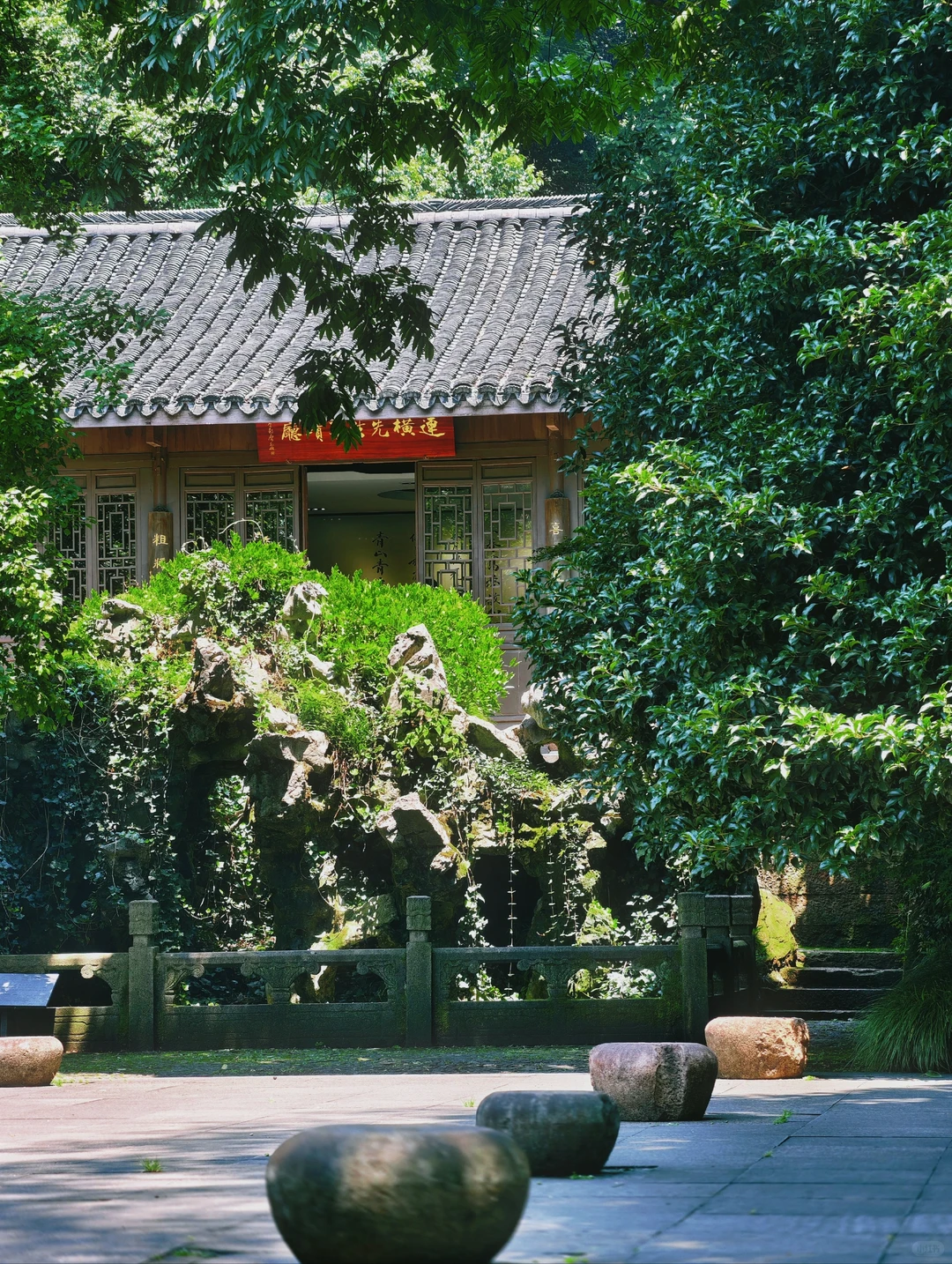
In 1926, the renowned Taiwanese historian Lien Heng—author of the seminal General History of Taiwan (Taiwan Tongshi)—lived here with his family while researching and writing.Today, the Lien Heng Memorial Hall displays his manuscripts, letters, and a recreated study. Sunlight filters through wooden windows onto glass cases holding century-old documents, creating a solemn yet inspiring atmosphere. The temple thus serves as a symbolic cultural link between mainland China and Taiwan.
3. Exquisite Courtyard Gardens, Beautiful Year-Round
The temple’s compact yet elegant layout features:
- “West Lake’s King of Winter Jasmine”: A century-old wax plum tree whose golden blossoms perfume the air each winter.
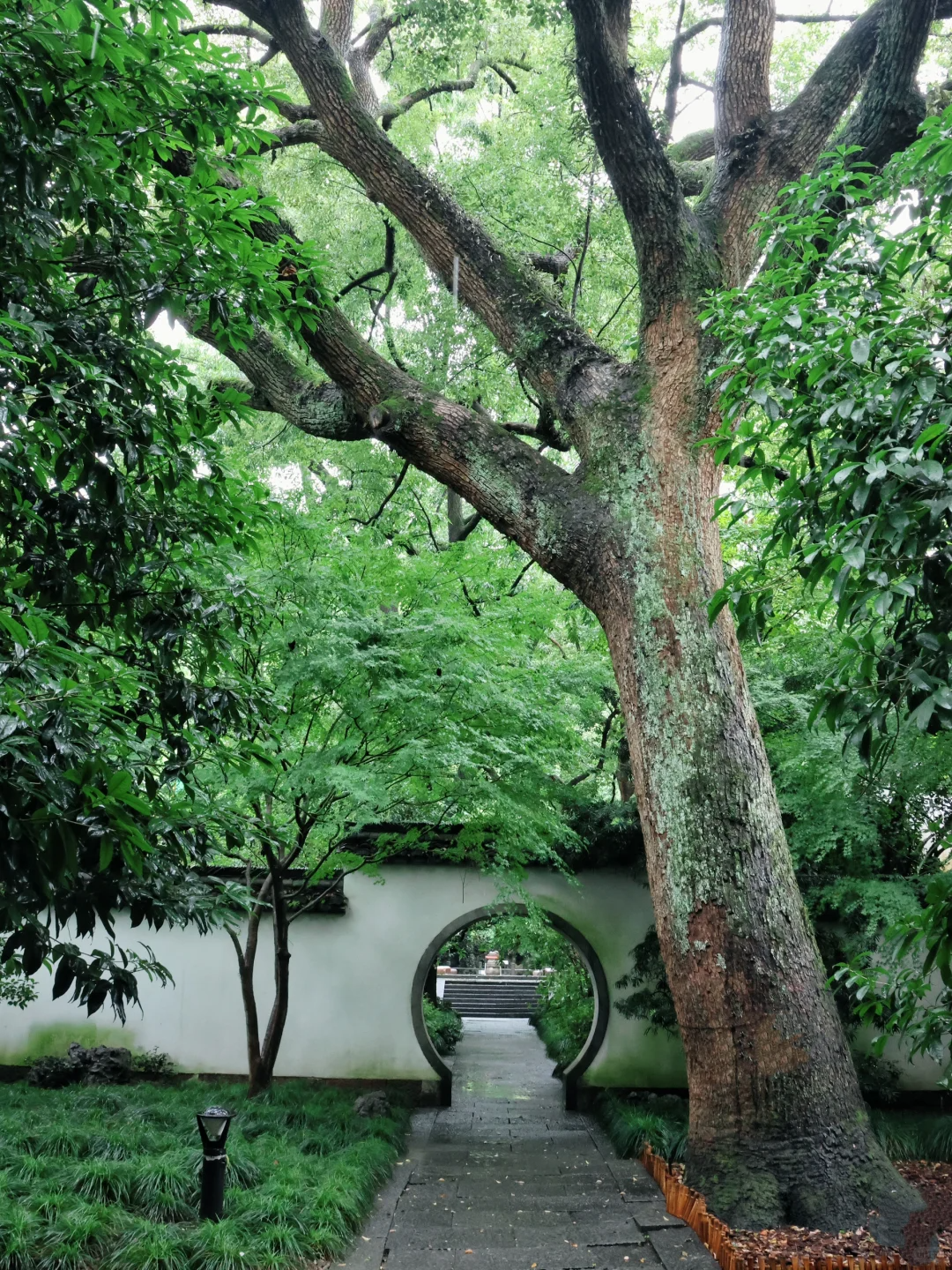
- A 160-year-old camphor tree: Once witnessed visits by luminaries like Lien Heng and Liang Sicheng (son of Liang Qichao).
- Pufu Spring & Pufu Pavilion: Named after a Ming Dynasty tale recorded by Zhang Dai in Dream Memories of Tao’an, where a monk discovered fresh spring water while planting bamboo.
- Three Courtyards & Stone Column Bases: Over 20 ancient stone sanggu (column foundations) mark where the grand main hall once stood.
4. A Sanctuary for Literati Through the Ages
- Northern Song poet Lin Bu (“the man who took plum blossoms as his wife and cranes as his children”) lived nearby on Solitary Hill when the temple was first built.
- Ming scholar Zhang Dai and other literati wrote poems about the site.
- Today, the temple regularly hosts tea ceremonies, guqin (Chinese zither) recitals, calligraphy exhibitions, and scholarly gatherings—keeping its literary spirit alive.
🚶♀️ Visitor Tips
- Best Time to Visit:
- Winter (Dec–Feb): For fragrant wax plum blossoms.
- Autumn (Oct–Nov): When maple and ginkgo trees turn golden and crimson.
- Early morning or weekday afternoons: To avoid crowds and enjoy solitude.
- Suggested Itinerary: Broken Bridge → Bai Causeway → Enter via Geling Road → Explore Manao Temple (~1 hour) → Walk to Baopu Daoist Monastery or Yue Fei Temple
- Admission: Free (no reservation required)
- Opening Hours: Generally 9:00 AM – 4:30 PM (subject to occasional temporary closures; check ahead if possible)

Join The Discussion