
Also known as Hangzhou Fu Xue Wen Miao (Hangzhou Prefectural School and Confucian Temple), Hangzhou Confucius Temple is a significant historical and cultural site in Hangzhou, Zhejiang Province. It is located in Shangcheng District, just south of Wushan Square, near Nanshan Road (Address: No. 28 Xihu Avenue, Shangcheng District, Hangzhou), adjacent to the Hangzhou Stele Forest. Today, it operates as the Hangzhou Confucius Temple and Hangzhou Stele Forest Museum.
🏛
Historical Background
- Originally built in 1131 AD during the Shaoxing era of the Southern Song Dynasty, it served as the Lin’an Prefectural School—the highest official educational institution and Confucian sacrificial site in the Southern Song capital.
- Rebuilt and expanded multiple times through the Yuan, Ming, and Qing dynasties, it was once one of the most important Confucian temples in Zhejiang Province.
- The temple declined during the Republican era, with parts of its structures damaged or lost.
- Starting in 1979, the Hangzhou municipal government initiated restoration efforts and gathered scattered historic steles from across the region, establishing the Hangzhou Stele Forest on the temple grounds.
- Today, it is a municipally protected cultural heritage site, integrating Confucian cultural exhibitions, stele art collections, and traditional ritual experiences.
🌿
Key Highlights
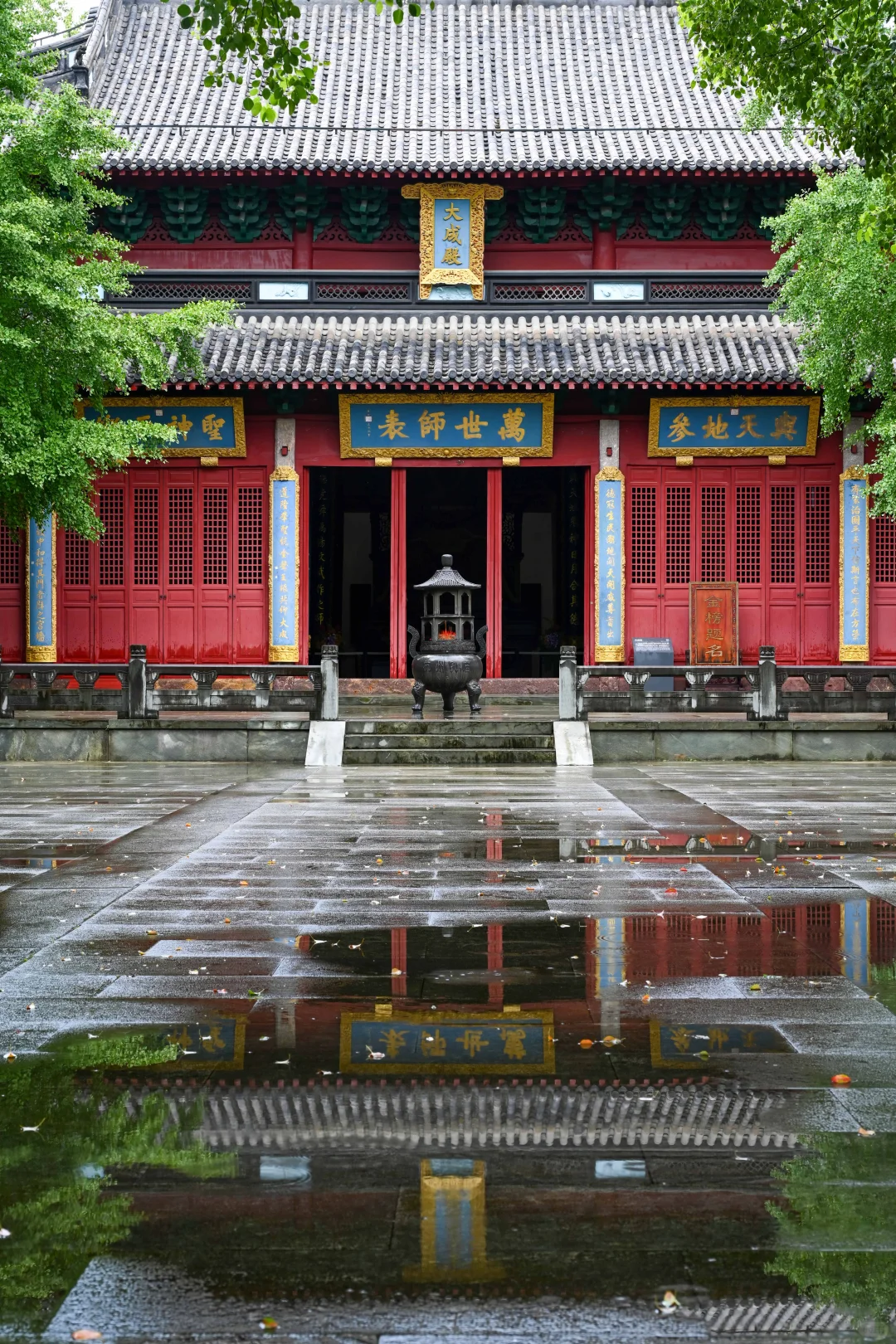
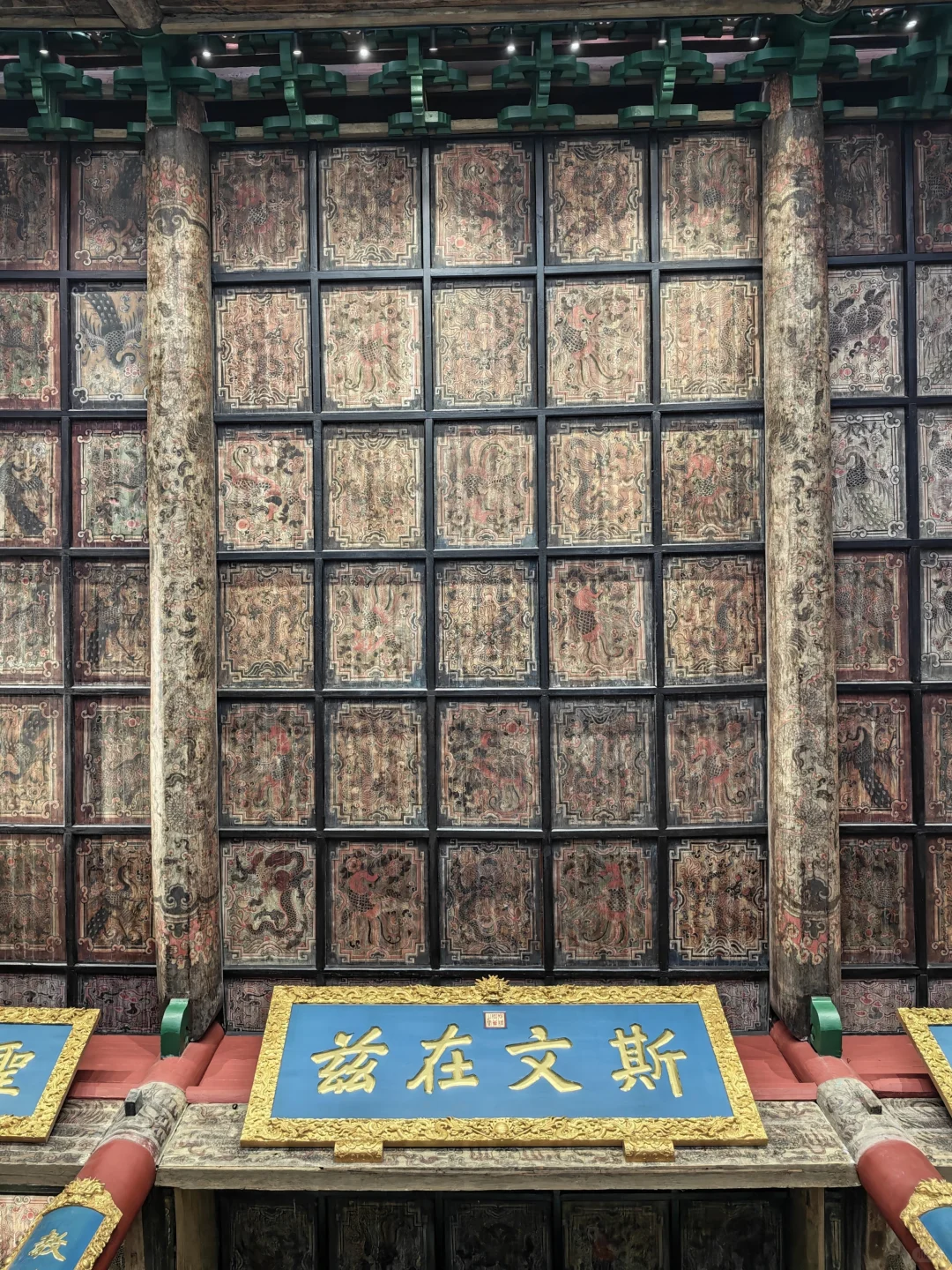
- Dacheng Hall (Hall of Great Perfection)
- The central structure of the temple, enshrining Confucius along with his Four Assessors: Yan Hui, Zeng Shen, Zi Si, and Mencius.
- Features a double-eaved hip-and-gable roof with yellow glazed tiles and red pillars, exuding solemn dignity.
- Houses ceremonial artifacts and permanent exhibits on Confucian culture.
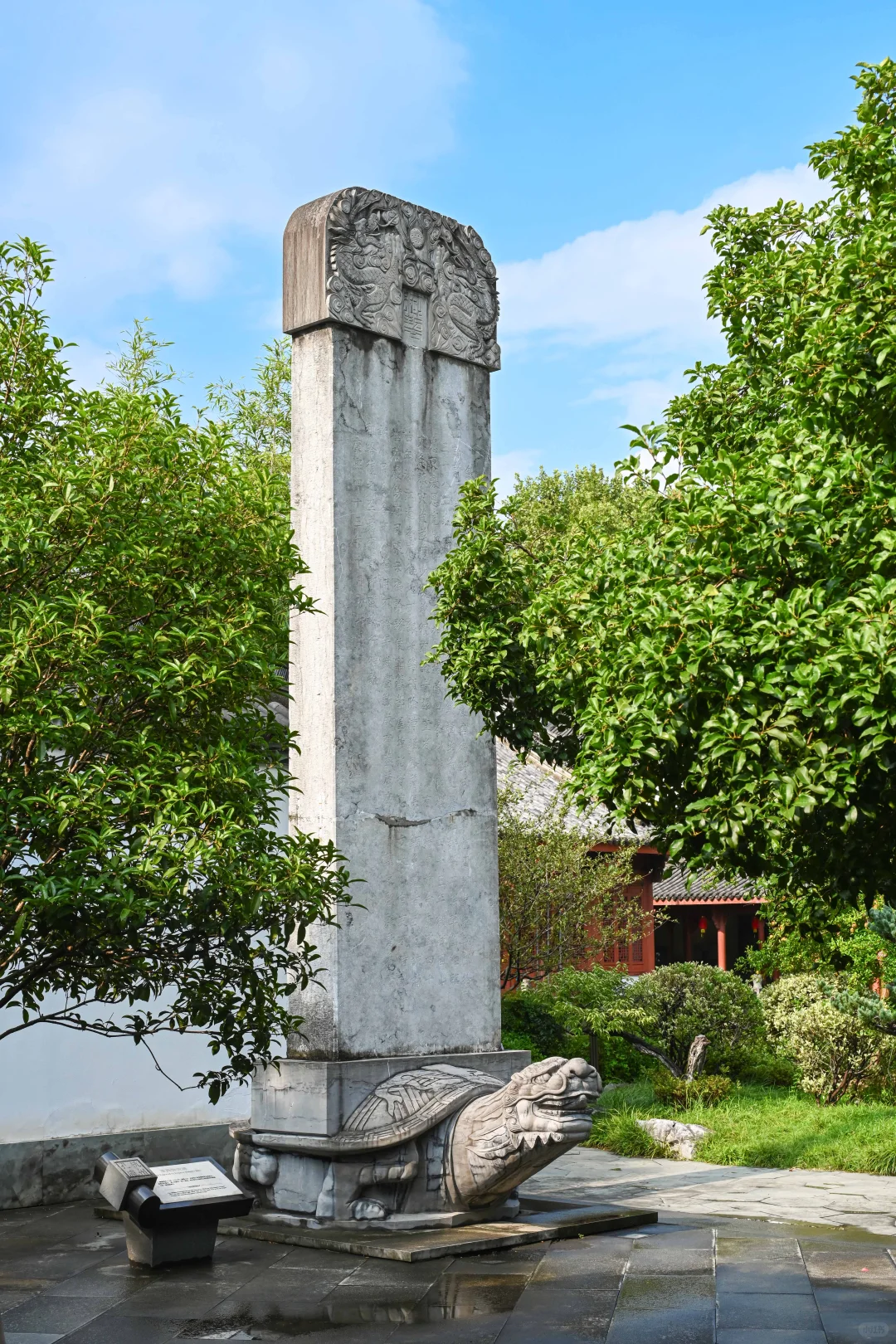
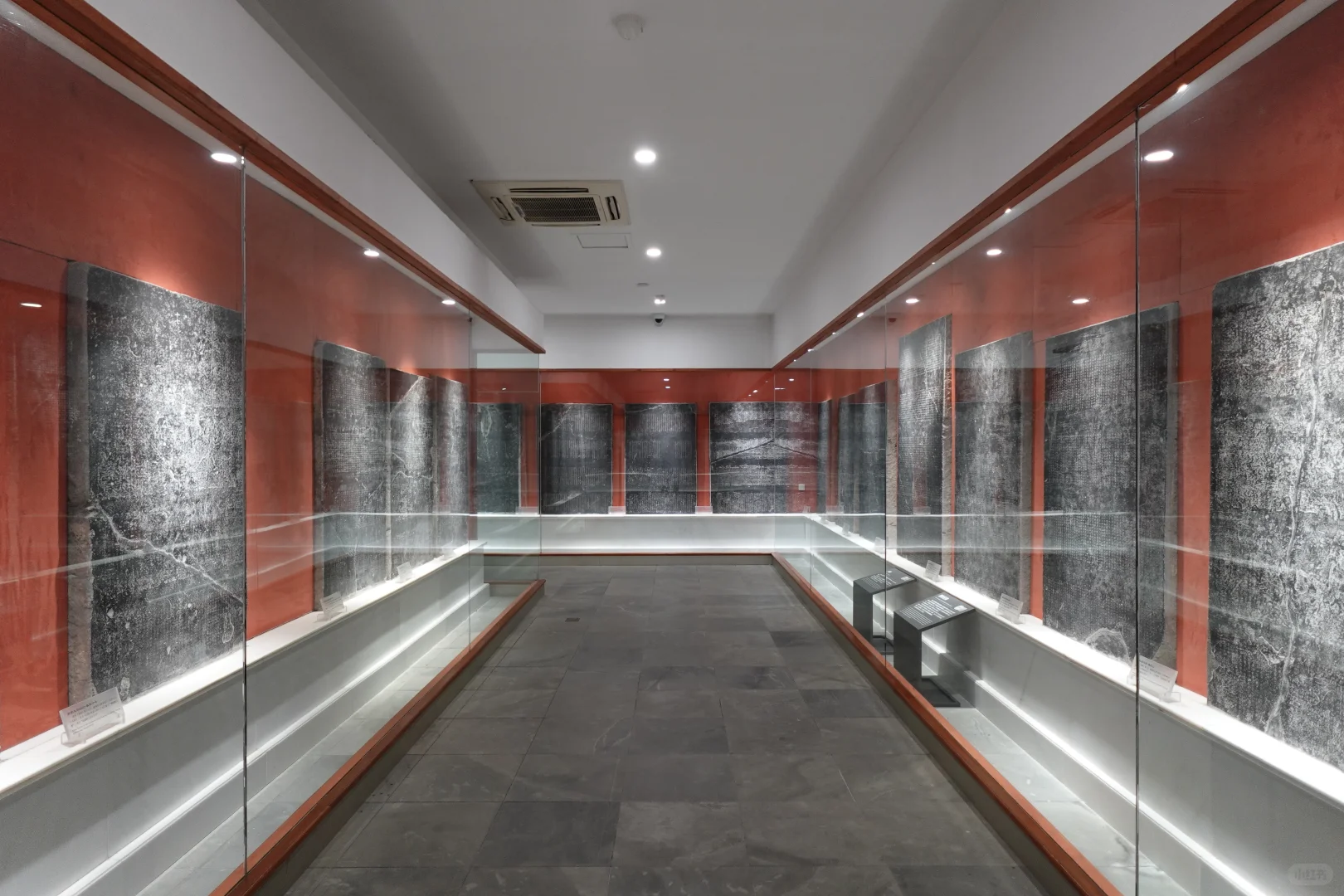
- Hangzhou Stele Forest
- Contains over 500 precious stone inscriptions from the Southern Song to the Qing dynasties, including:
- The Southern Song Imperial Academy Stone Classics (one of only two complete sets in China; the other is in Xi’an Stele Forest)
- Calligraphy by renowned figures such as Wen Tianxiang, Su Shi, Mi Fu, and Zhao Mengfu
- Imperial edicts, imperial examination questions, and local chronicle inscriptions
- A vital resource for studying ancient Chinese calligraphy, education, and the imperial examination system.
- Contains over 500 precious stone inscriptions from the Southern Song to the Qing dynasties, including:
- Traditional Temple Layout
- Includes classic Confucian temple elements such as the Lingxing Gate, Panh Pool, and Ji Gate, reflecting the traditional “temple on the left, school on the right” (左庙右学) layout, though partially reconstructed.
- Grand Confucius Memorial Ceremony
- Held annually on September 28 (Confucius’ birthday), featuring restored ancient rituals, recitations of the Analects, and cultural performances to honor Confucian heritage.
📍
Practical Information
- Address: No. 28 Xihu Avenue, Shangcheng District, Hangzhou (south of Wushan Square)
- Opening Hours: Tuesday–Sunday, 9:00 AM – 4:30 PM (Closed on Mondays, except public holidays)
- Admission: Free (special exhibitions may charge a fee)
- Transportation:
- Metro: Line 1 or Line 7 to Wushan Square Station, Exit A (~3-minute walk)
- Bus: Multiple routes stop at Wushan Square or Qinghefang
- Nearby Attractions: Combine your visit with Hefang Street, Southern Song Imperial Street, Chenghuang Pavilion, and West Lake.
💡
Tips for Visitors
- Though compact in size, the temple is rich in cultural depth—allow 1 to 1.5 hours for a meaningful visit.
- The stele collection is academically detailed; consider renting an audio guide or scanning QR codes for explanations. Official WeChat account “Hangzhou Confucius Temple” offers digital resources.
- Cultural events are especially vibrant in spring and autumn, particularly around the September Confucius commemoration—ideal for families, students, and Confucianism enthusiasts.

Join The Discussion