
Nestled in the heart of Shangcheng District, Hefang Street is one of Hangzhou’s most iconic historic pedestrian streets—a vibrant tapestry of tradition, commerce, and everyday charm that has thrived for over 800 years. Often described as “the living room of old Hangzhou,” it runs perpendicular to Southern Song Imperial Street, together forming the cultural core of the ancient capital of Lin’an (modern-day Hangzhou).
With its cobblestone lanes, whitewashed walls, black-tiled roofs, and rows of time-honored shops, Hefang Street offers visitors an immersive journey into China’s imperial past—where history isn’t just displayed behind glass, but lived, cooked, crafted, and celebrated every day.
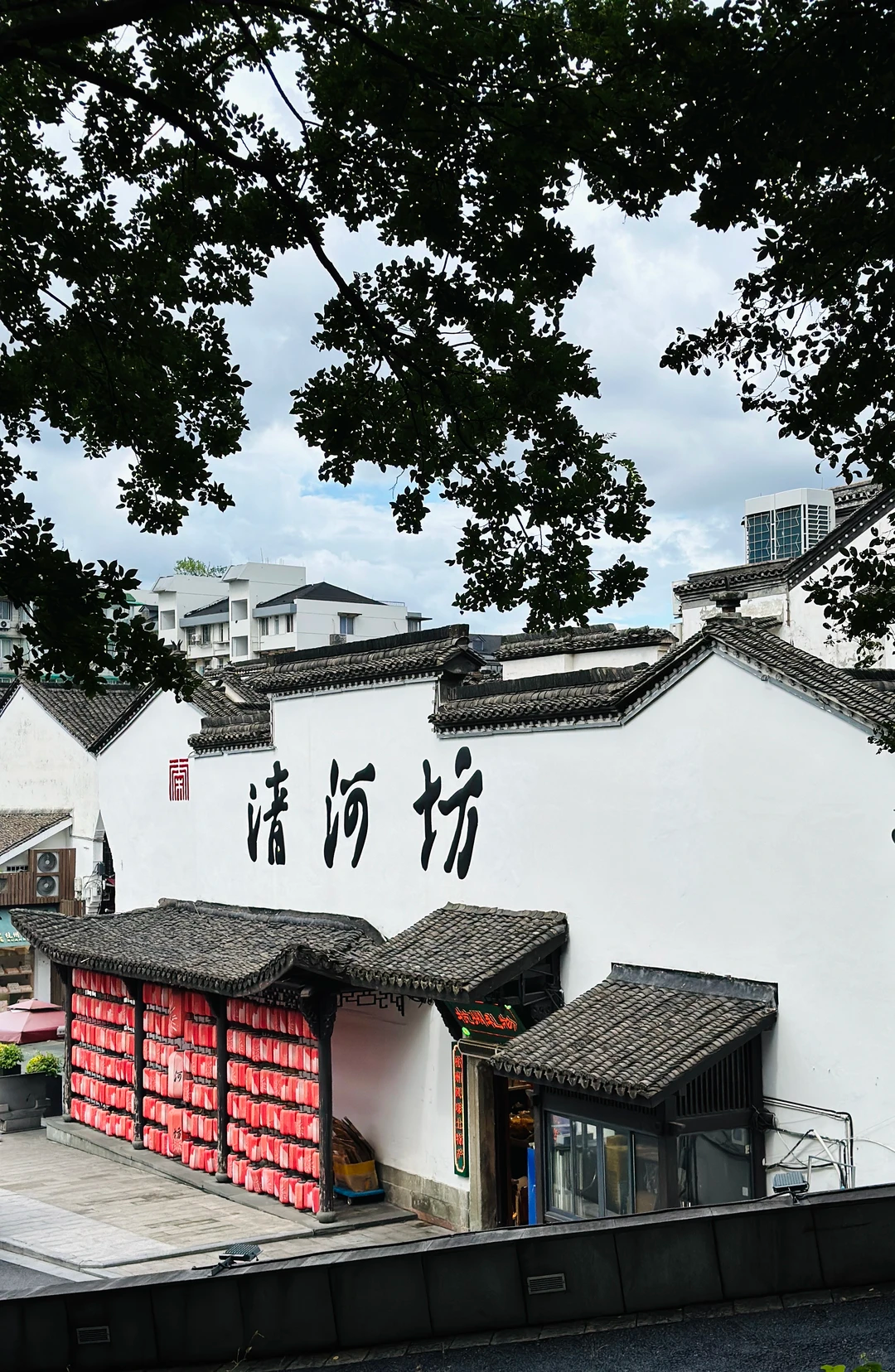
Historical Legacy
- The street’s name dates back to the Southern Song Dynasty (1127–1279), when it was part of a residential quarter near the mansion of Prince Qinghe (a noble title held by General Zhang Jun).
- As a key commercial artery of the Southern Song capital, it bustled with merchants, artisans, scholars, and pilgrims.
- Over centuries, it remained a vital hub of trade and folk culture through the Yuan, Ming, Qing, and Republican eras.
- In 2000, the Hangzhou municipal government undertook a careful restoration to preserve its historical character while revitalizing it as a dynamic cultural destination.
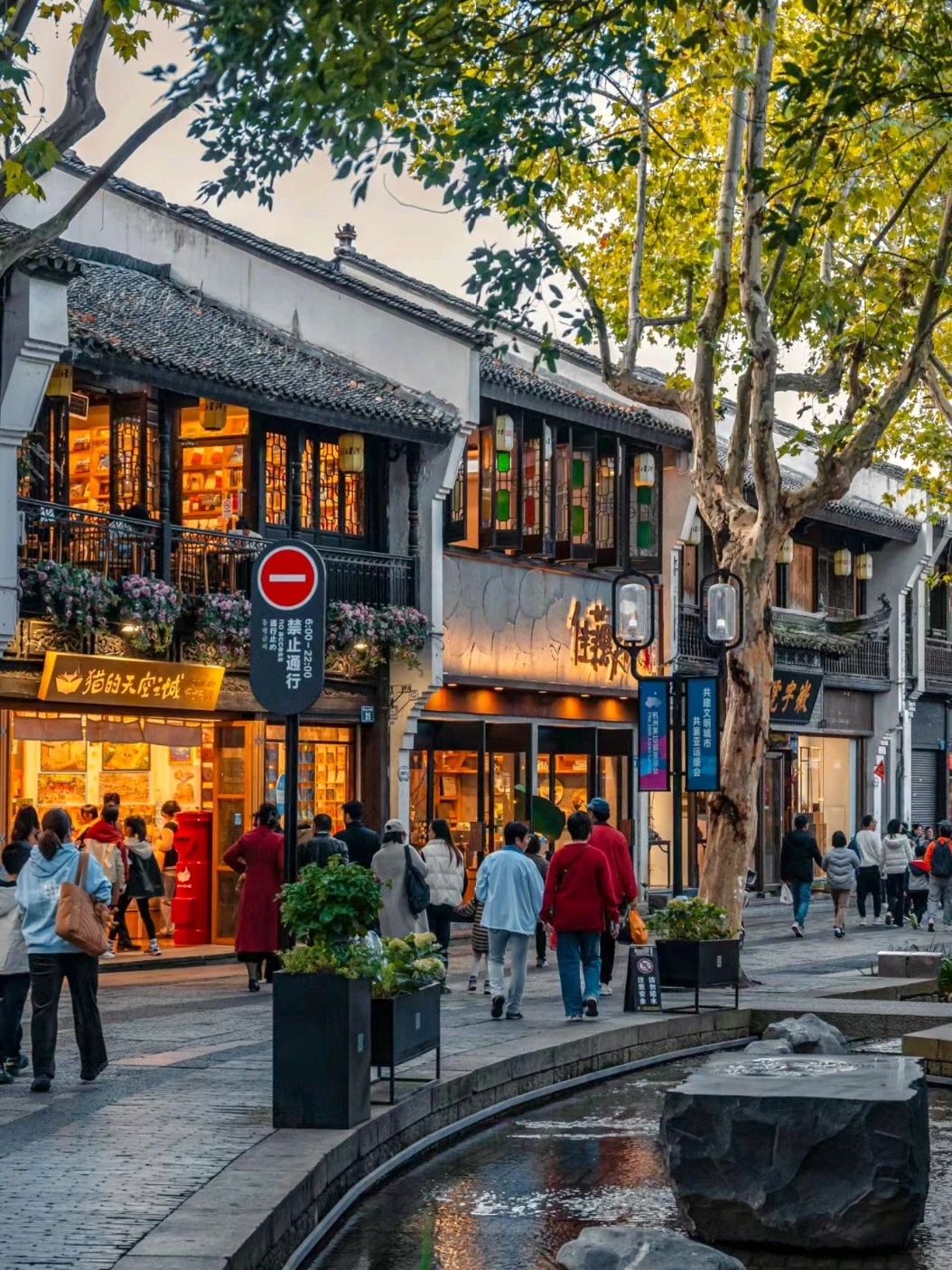
Architecture & Atmosphere
- Stretching approximately 1.8 kilometers, the main street is paved with traditional bluestone slabs and lined with Ming- and Qing-style wooden buildings, many featuring ornate carvings, horse-head gables, and red-lacquered doors.
- The ambiance blends ancient aesthetics with lively modern energy—lanterns glow at dusk, street performers entertain, and the scent of freshly fried snacks fills the air.
Cultural Highlights
- Hu Qing Yu Tang Chinese Medicine Museum: Founded in 1874 by the famed “Red-Top Merchant” Hu Xueyan, this national heritage site is China’s first museum dedicated to traditional Chinese medicine. Its exquisite courtyard pharmacy remains fully operational.
- Intangible Cultural Heritage Workshops: Watch artisans craft West Lake silk umbrellas, Hangzhou embroidery, paper-cutting, clay figurines, and oil-paper umbrellas—many offering hands-on experiences.
- Time-Honored Brands: Shop at legendary stores like Zhang Xiaoquan Scissors, Wang Xingji Fans, Wanlong Ham, and Kongfou Soy Sauce, some with histories spanning over 150 years.
- Festivals & Folk Performances: During Lunar New Year, Lantern Festival, Dragon Boat Festival, and Mid-Autumn Festival, the street comes alive with dragon dances, riddle-guessing, and traditional music.
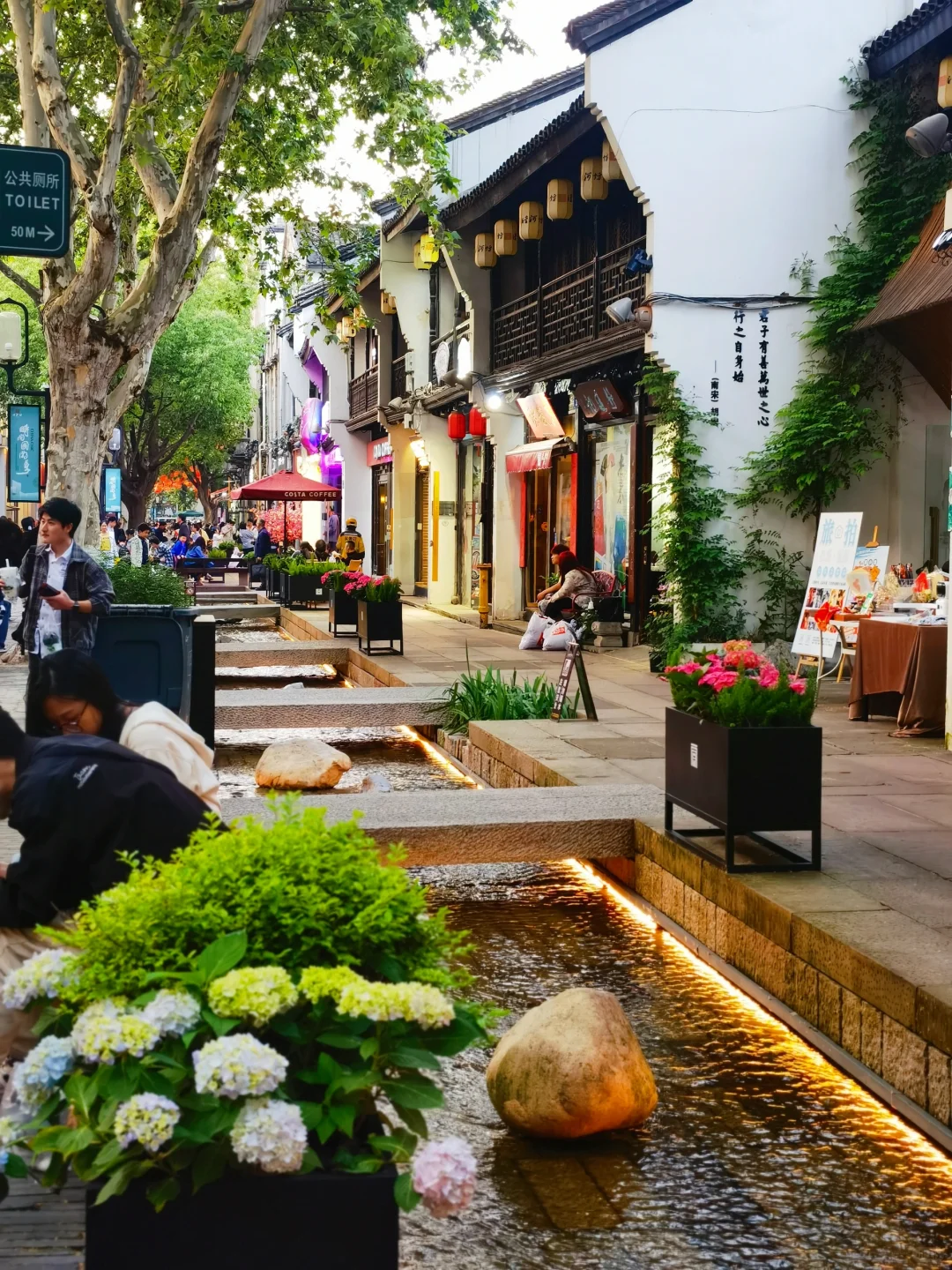
Must-Try Experiences
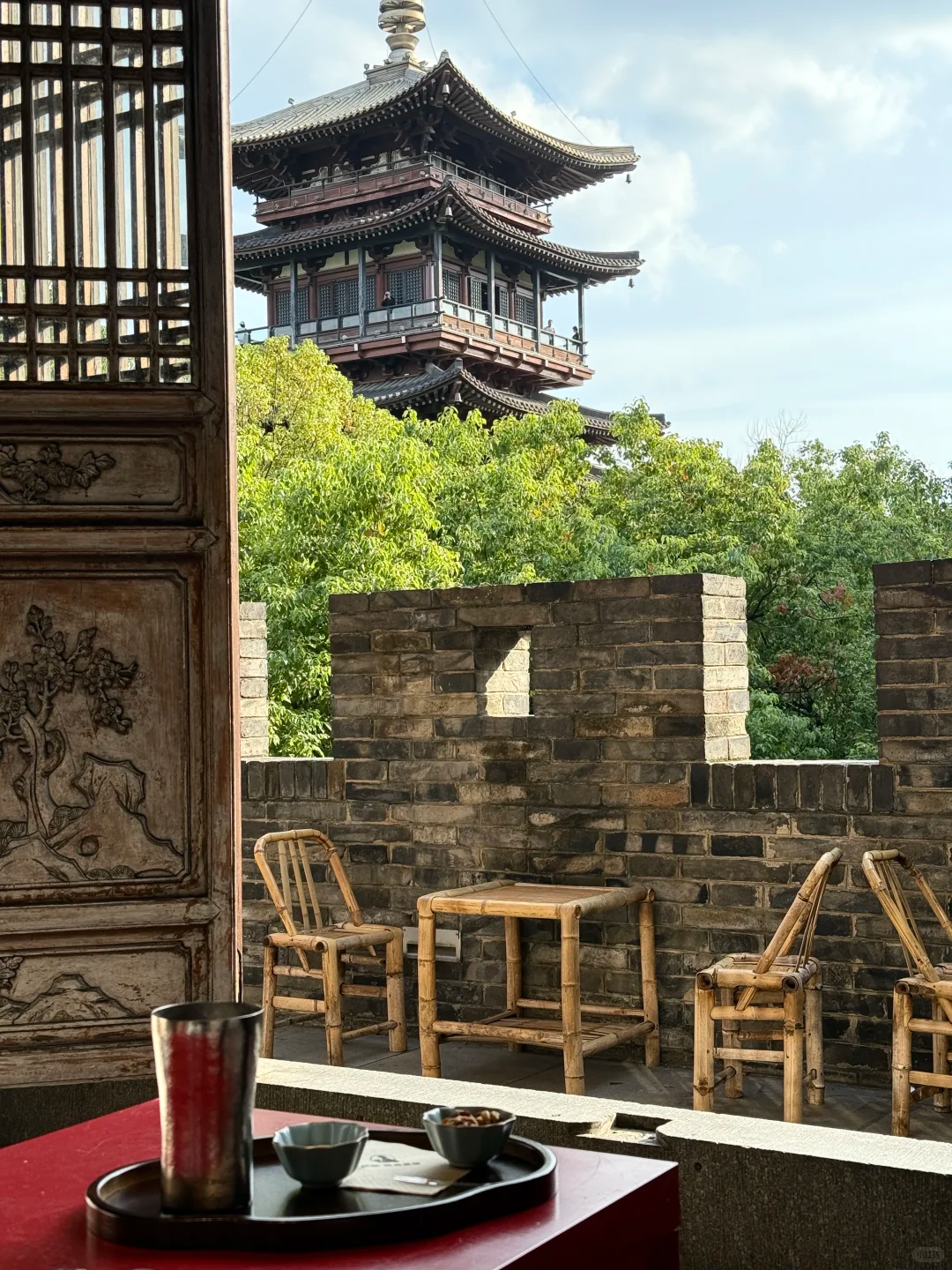
- Sip Longjing Tea in a century-old teahouse tucked in nearby Da Jing Alley or Si Yan Well Lane, perhaps accompanied by a live Yue opera performance.
- Sample Local Snacks: Don’t miss Dingsheng Cake (steamed rice cake), Cong Bao Gui (fried scallion pancake wrapped around crispy dough), Wu Shan Crispy Oil Cakes, Cat’s Ears (tiny noodle dumplings), stinky tofu, and lotus root starch pudding.
- Bring Home Authentic Souvenirs: Silk scarves, sandalwood fans, Longjing tea, blue-printed cotton fabric, and incense sticks—each a piece of Hangzhou’s soul.
- Capture the Mood: Iconic photo spots include the grand entrance paifang archway, the historic Four-Eyed Well (Si Yan Jing), golden ginkgo trees in autumn, and the street illuminated by red lanterns at night.
Practical Information
- Location: Hefang Street, Shangcheng District, Hangzhou (adjacent to Wushan Square and Drum Tower)
- Getting There: Exit C of Wushan Square Station (Metro Line 7) – just a 3-minute walk; or take a bus to Gulou (Drum Tower) Stop
- Opening Hours: The street is open 24/7; most shops operate from 9:00 AM to 9:00 PM
- Admission: Free entry to the street; select attractions like Hu Qing Yu Tang Museum charge a small fee (~¥20)
- Best Time to Visit:
- Early morning (7:00–9:00 AM): Peaceful, with locals practicing tai chi or buying breakfast
- Evening (6:00–9:00 PM): Magical under glowing lanterns, perfect for photos and atmosphere

Join The Discussion