
Longjing Village, Hangzhou | The Birthplace of West Lake Longjing Tea
Nestled in the southwestern part of Hangzhou’s West Lake Scenic Area, Longjing Village is surrounded by misty hills on three sides, with clear streams trickling through. It is the original and most prestigious producing area of West Lake Longjing tea—China’s most celebrated green tea—and has been cultivating and handcrafting tea for over a thousand years. Often hailed as “China’s No. 1 Tea Village,” it embodies the soul of Chinese tea culture.
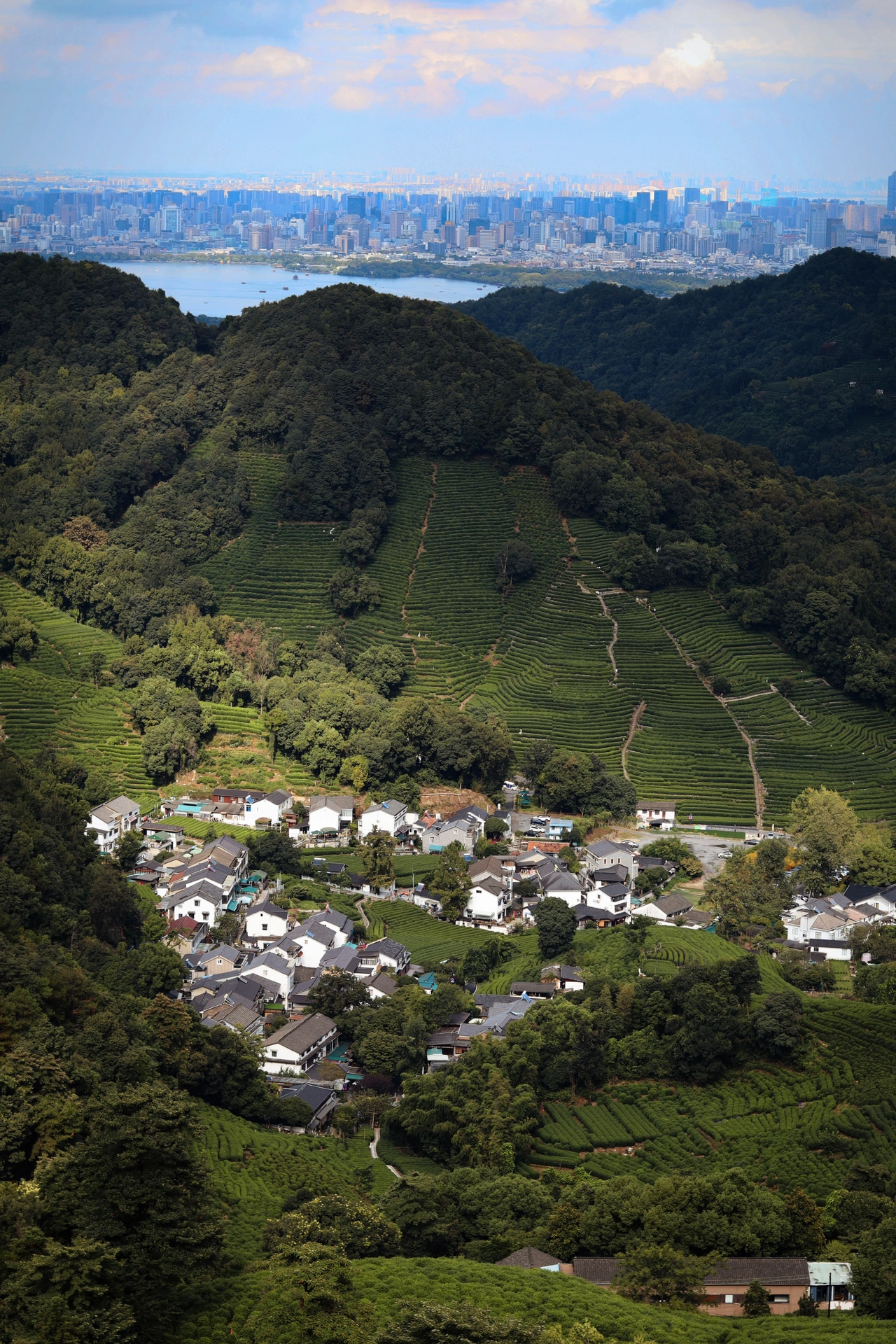
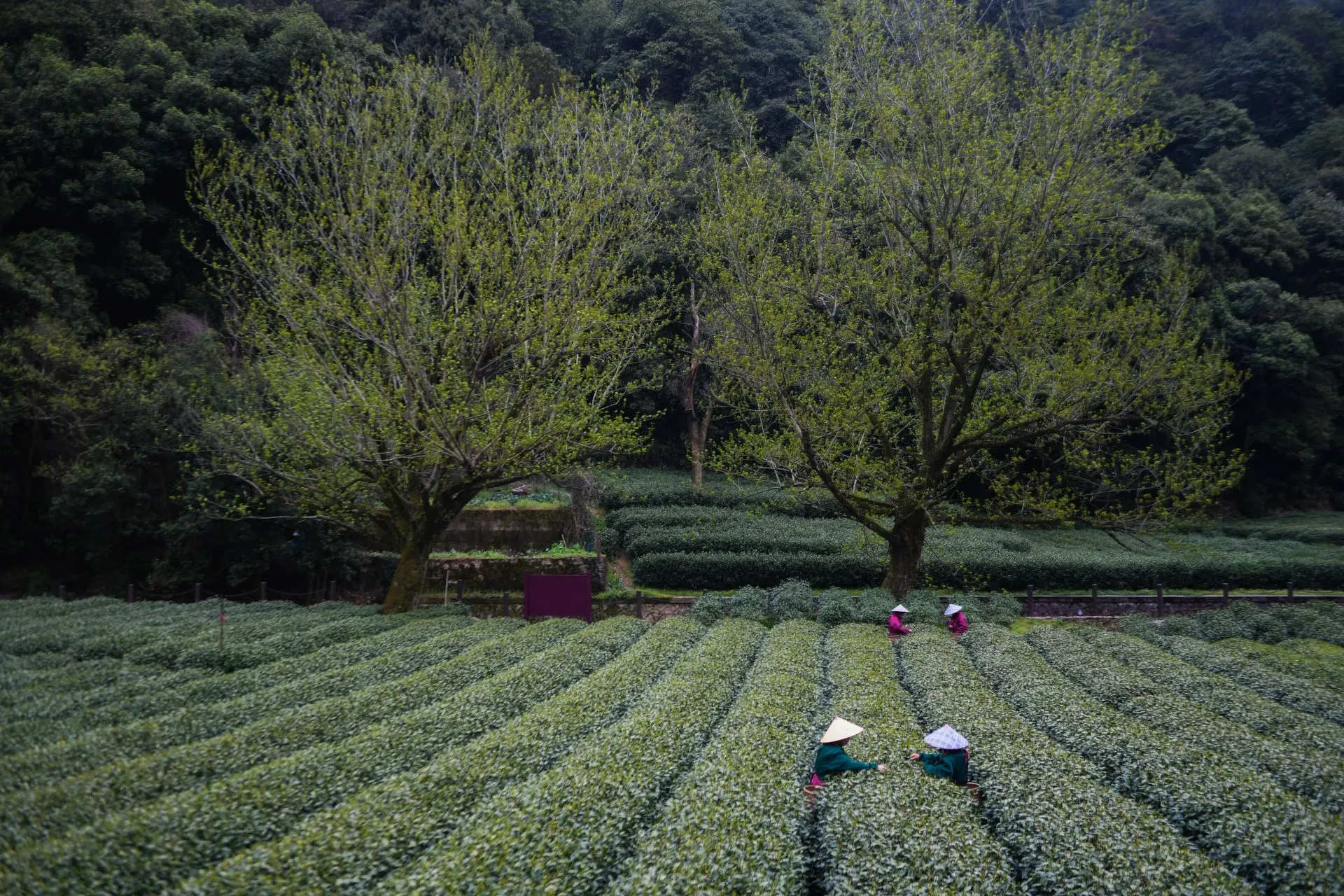
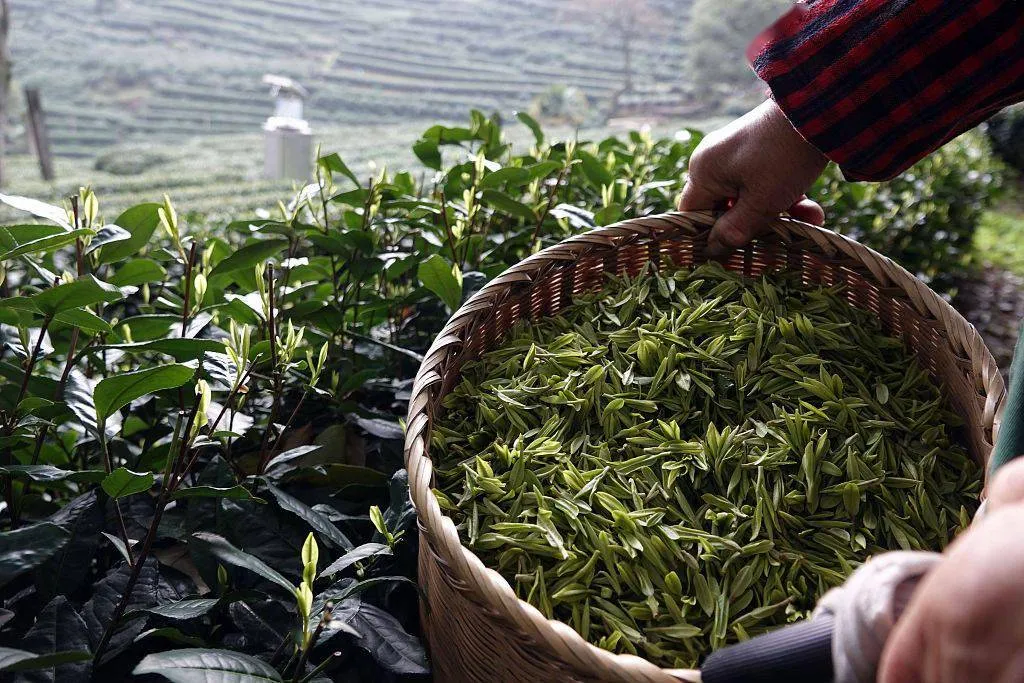
Stroll through the village, and you’ll be greeted by rolling terraced tea fields that shimmer like emerald waves, dotted with traditional white-walled, black-tiled Jiangnan-style homes. During the spring harvest season (March–April), the air fills with the fresh, grassy fragrance of new tea leaves. Visitors can immerse themselves in the full tea experience—picking leaves, learning traditional pan-firing techniques, and savoring a freshly brewed cup in a tranquil courtyard.
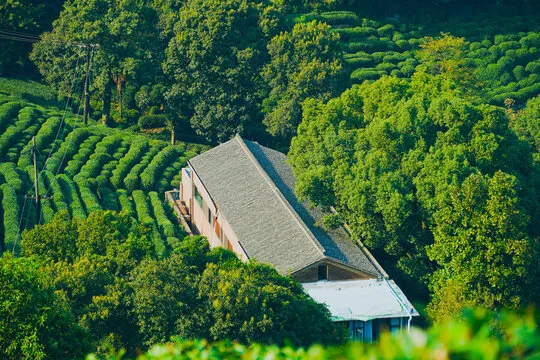
Highlights include the “Eight Scenic Spots of Longjing”—such as Longjing Spring, Old Longjing Temple, and Guoxi Pavilion—as well as the historic site of Emperor Qianlong’s “Eighteen Imperial Tea Bushes.” The village also serves as a gateway to scenic hiking trails like Shili Langdang and Jiuxi Misty Forest, making it a perfect blend of tea heritage, natural beauty, and light outdoor adventure.
Getting There: Take bus No. 27 or 4 from downtown Hangzhou to “Longjing Chashi” (Longjing Tea House) stop. For a peaceful visit, go early in the morning or on weekdays—avoid public holidays when crowds peak.
“Beyond the courtyard, lotus blossoms smile by West Lake;
A cup of Mingqian Longjing holds the essence of spring.”
Come to Longjing not just for tea—but to slow down, breathe deeply, and live, if only for a day, inside a classical Chinese ink painting.

Join The Discussion