
🌿 Hangzhou Botanical Garden
——“A Living Museum of Plants, Where Every Season Tells a Story”
Located on the northwestern edge of West Lake Scenic Area, at the foot of Taoyuanling Hill, Hangzhou Botanical Garden was established in 1956 and spans 284 hectares (about 700 acres)—making it one of China’s oldest and largest botanical gardens.
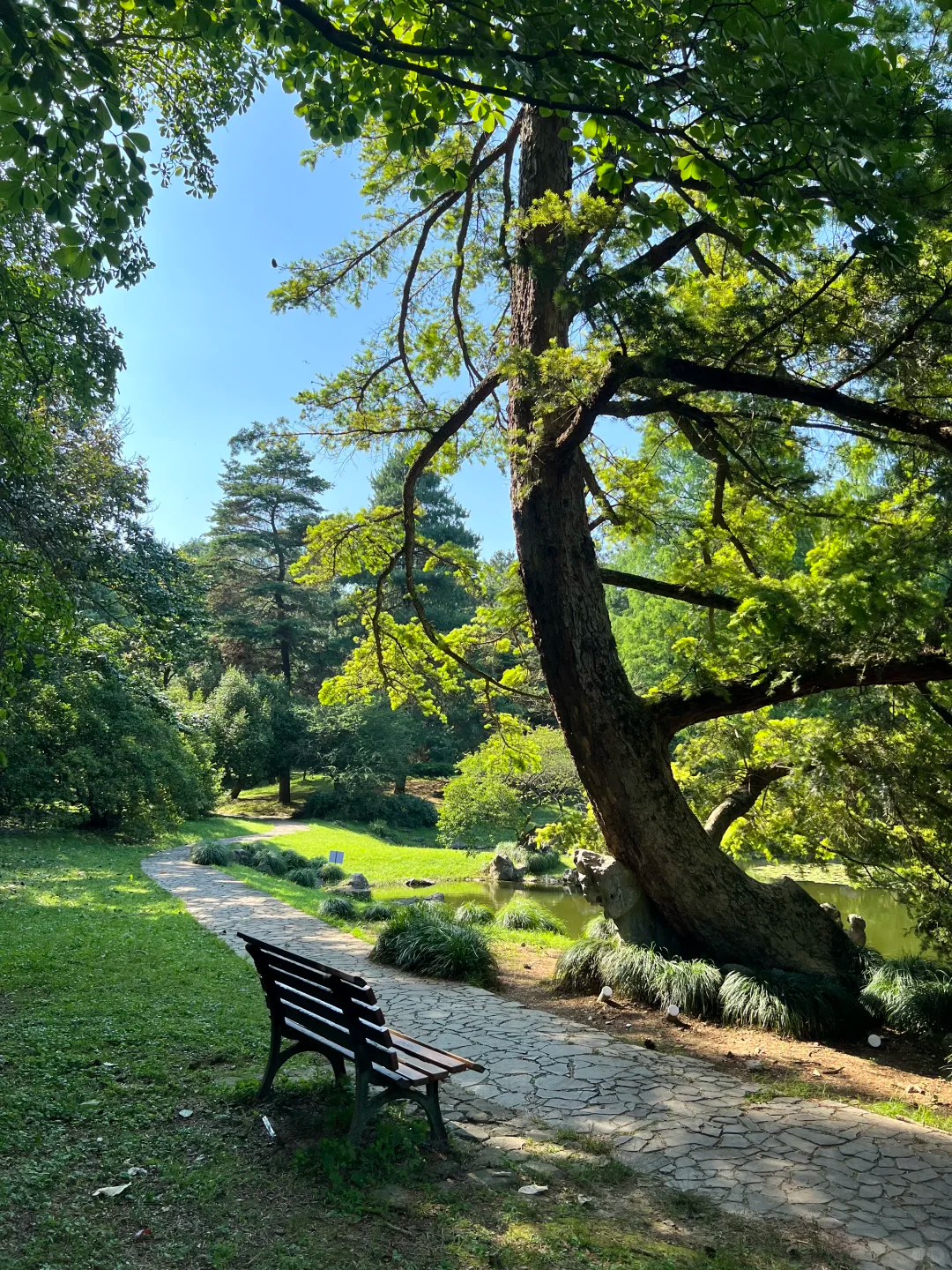
More than just a research institution, it’s a beloved urban retreat where locals and travelers alike come to wander among ancient trees, seasonal blooms, medicinal herbs, and rare species. With themed gardens, winding paths, and year-round floral displays, it offers peace, beauty, and botanical wonder in every season.
📍 Basic Information
- Address: No. 1 Taoyuanling Road, Xihu District, Hangzhou
- Opening Hours:
- March–October: 07:00–18:30
- November–February: 07:00–17:30 (Last entry: 30 minutes before closing)
- Admission: FREE (No reservation required)
- Recommended Visit Time: 2–3 hours
- Best Seasons:
- Feb–Mar: Magnolias & plum blossoms
- Apr–May: Azaleas, cherry blossoms, wisteria
- Oct–Nov: Chrysanthemum Festival (700+ varieties!) + fragrant osmanthus
- Year-round: Bamboo groves, evergreen conifers, and medicinal herb displays
🌟 Must-See Gardens & Highlights
1. Systematic Plant Area
- Plants are arranged by scientific family—like a living textbook of botany.
- Don’t miss the Magnolia Avenue near the South Gate in early spring: towering white and pink magnolias create a dreamy canopy that’s perfect for photography.
2. Herb Garden (Hundred Herbs Garden)
- Home to over 600 species of medicinal plants, including honeysuckle, isatis root, and lingzhi mushroom.
- Informative signs explain traditional Chinese herbal uses—ideal for curious minds and wellness enthusiasts.
3. Chrysanthemum Festival
(Mid-Oct to Late Nov)
- A spectacular autumn highlight featuring more than 50,000 chrysanthemum pots in over 700 varieties.
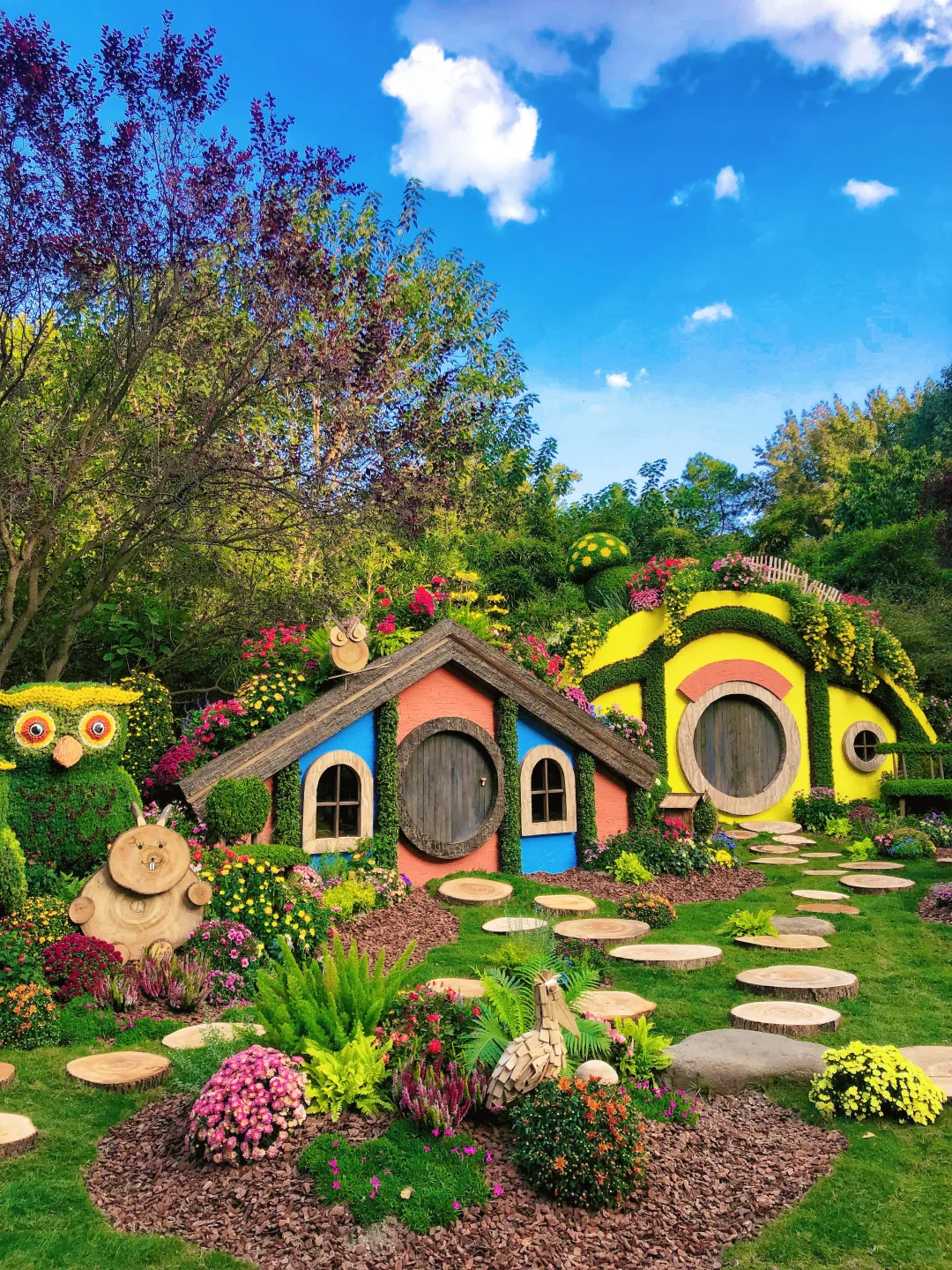
- Themed installations (e.g., fairy-tale cottages, giant floral sculptures) blend art with horticulture.
- Enjoy the dual fragrance of chrysanthemums and sweet osmanthus—a signature scent of Hangzhou autumn.
4. Bamboo Garden
- Showcases 150+ bamboo species, including black bamboo, Buddha-belly bamboo, and golden grove varieties.
- Walk shaded trails under rustling canopies—a cool escape in summer and a poetic spot in winter mist.
5. Rose & Ornamental Plant Garden
- Bursting with color in late spring: roses, hydrangeas, and peonies bloom in vibrant harmony.
- European-style flower beds meet classical Chinese landscaping.
6. Rare & Endangered Plant Conservation Area
- Protects national treasures like the Dove Tree (Davidia involucrata) and Southern Yew (Taxus chinensis), both under China’s highest protection level.
🚌 How to Get There
- Metro: Take Line 3 to “Huanglong Cave Station,” Exit D → 10-minute walk or bike ride to the South Gate (closest to Magnolia Avenue).
- Bus:
- Routes 2, 15, 28, 82 → “Botanical Garden” stop (Main/South Gate)
- Routes 15, 87 → “Hongchunqiao” stop (West Gate)
- Biking: Ride along Yanggong Causeway from West Lake—scenic and car-free!
- Driving: Parking available at South/Main Gate (paid; fills quickly on weekends)
💡 Practical Tips
- ✅ Choose your entrance wisely:
- South Gate → Best for magnolias, easy access from Huanglong area
- Main Gate (Taoyuanling) → Closer to Herb Garden and festival zones
- 👟 Wear comfortable shoes: The garden is large with gentle hills and stone paths
- 📸 Top photo spots:
- Magnolia Avenue at sunrise (soft light, fewer crowds)
- Wooden bridge in the Herb Garden
- Creative chrysanthemum displays during autumn festival
- ☕ Food & drink: Limited cafes inside; bring water/snacks. Cafés available near exits.
- 🧒 Family-friendly: Clear signage, educational labels, and open lawns for kids to explore safely.
🌸 Seasonal Bloom Calendar
| Season | Highlights |
|---|---|
| Spring (Feb–Apr) | Plum blossoms, magnolias, cherries, azaleas |
| Summer (May–Aug) | Wisteria, lotus, roses, hydrangeas |
| Autumn (Sep–Nov) | Osmanthus, chrysanthemums, ginkgo, maples |
| Winter (Dec–Jan) | Winter jasmine, camellias, evergreen pines & bamboos |
Hangzhou Botanical Garden isn’t just a place to see flowers— it’s where the city breathes. Slow down. Listen to leaves. Let nature restore you.

Join The Discussion