——“One bridge, one river, half the story of Hangzhou”
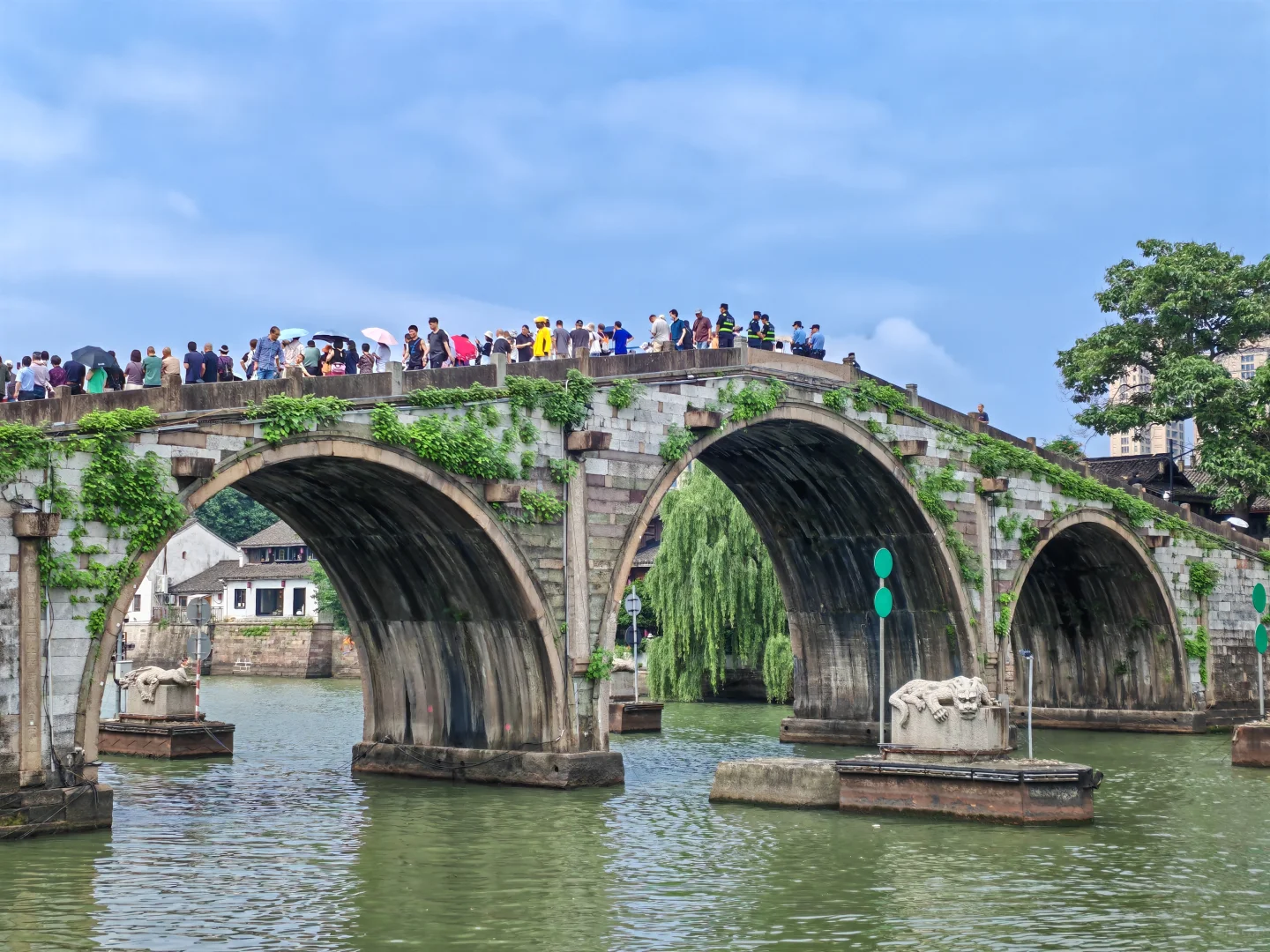
Spanning the northernmost section of the Beijing-Hangzhou Grand Canal in Hangzhou, Gongchen Bridge marks the symbolic southern terminus of the Grand Canal. It is also the tallest and longest stone arch bridge remaining in the city. First built in 1631 during the Ming Dynasty’s Chongzhen era and rebuilt several times since, the bridge now rests quietly over the canal—watching cargo boats glide by and neighborhoods bustle with life. It carries not only centuries of canal transport history but also the authentic, everyday soul of old Hangzhou.
📍 Basic Information
Location: Qiaonong Street, Gongshu District, Hangzhou (Exit A of “Gongchenqiao East” Station on Metro Line 5; 3-minute walk)
Opening Hours: The bridge and surrounding streets are open 24/7 and free to visit (Museums and cultural sites nearby have separate hours)
Recommended Visit Time: 2–3 hours (ideal when combined with Qiaoxi Historic Block)
Best Time to Visit: Early morning (local daily life at its most vivid) or sunset (golden light casting dramatic silhouettes on the bridge)
🌟Key Highlights
1.Gongchen Bridge – Breathing History in Stone
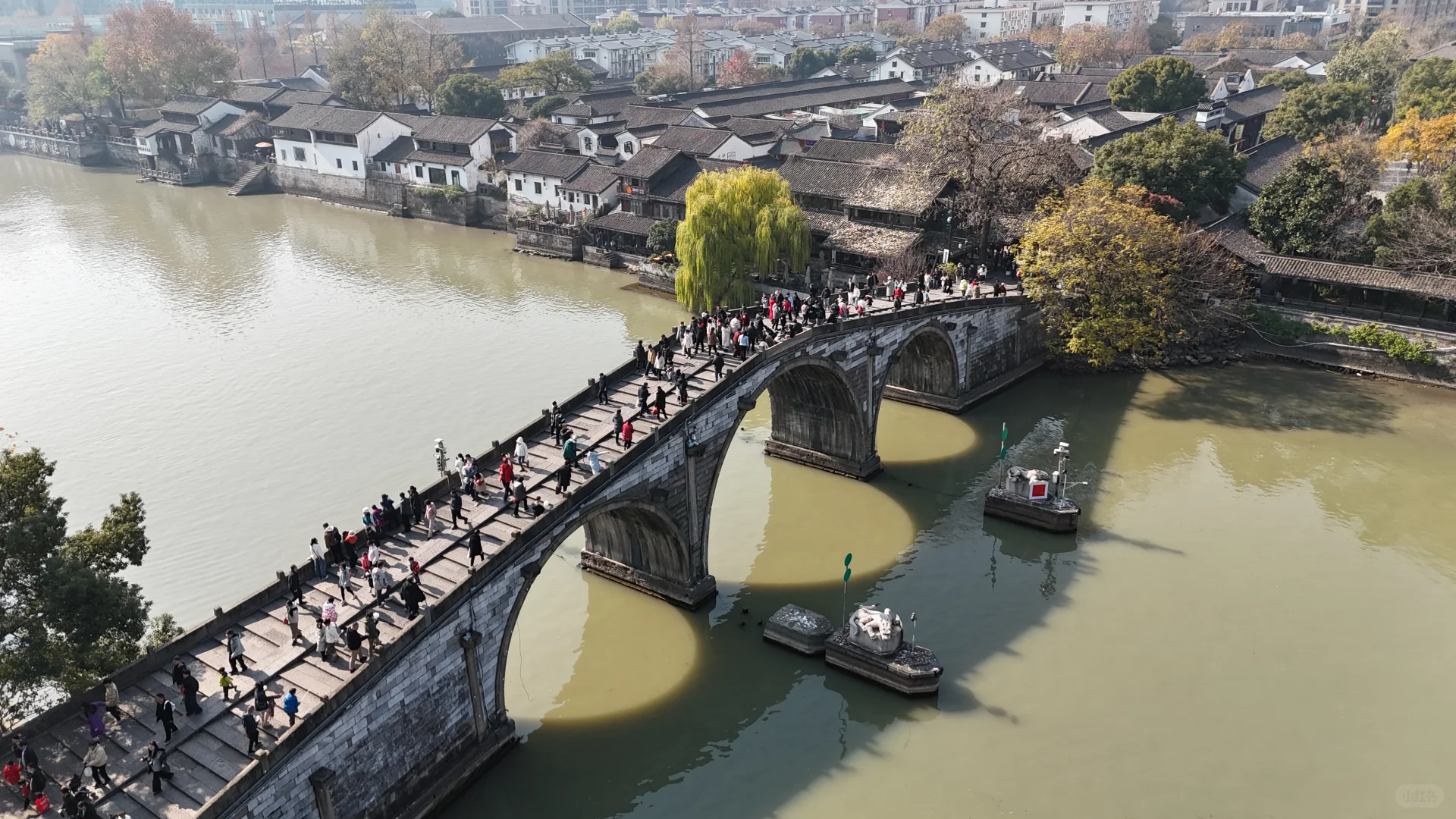
98 meters long, 16 meters high, with three graceful arches—the central span measures 15.8 meters, once wide enough for imperial grain barges.
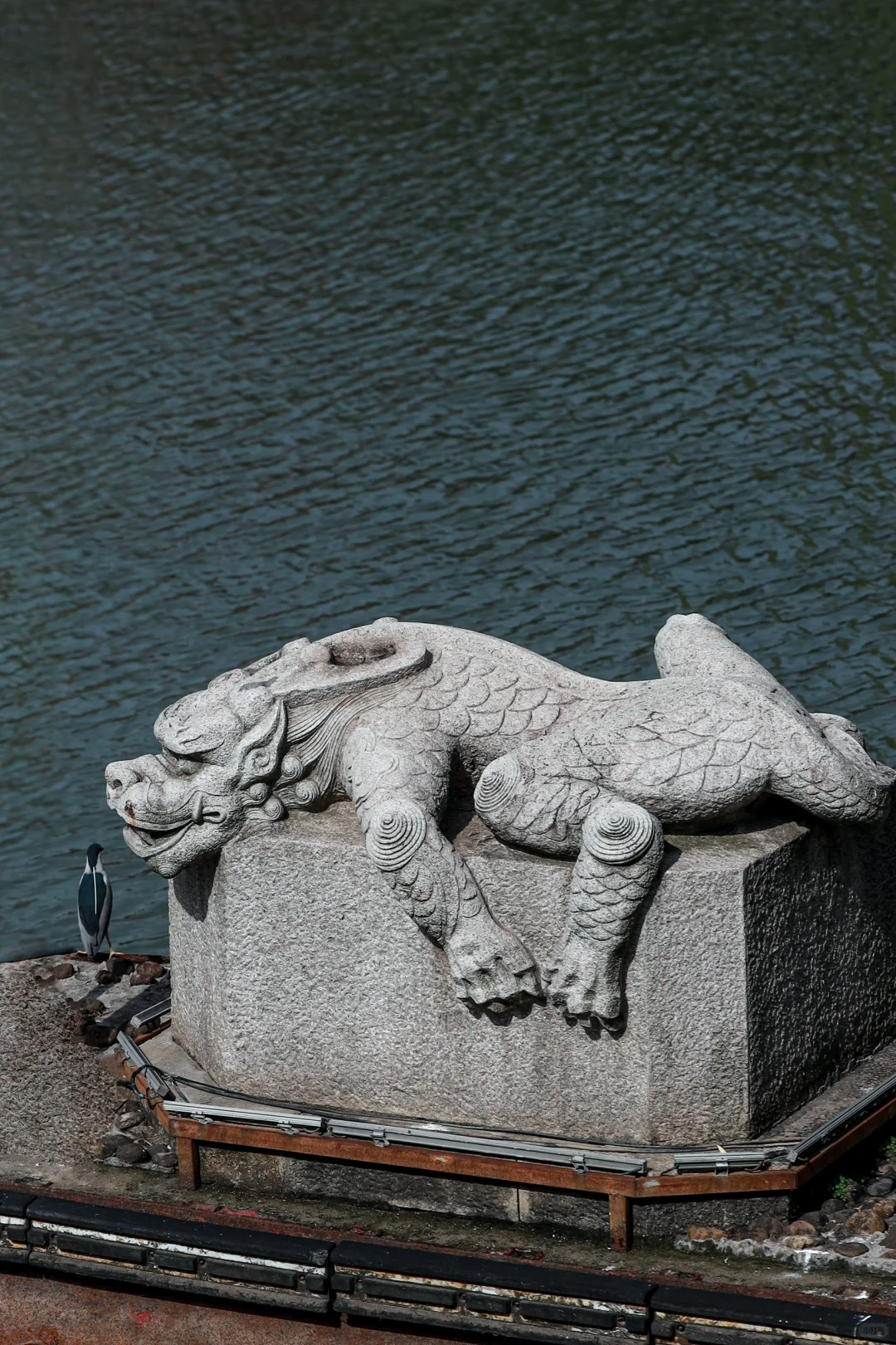
The railings feature 48 stone posts, originally topped with carved auspicious beasts—worn smooth by time but still full of stories.
Don’t miss:
Walking to the center for panoramic views of canal traffic
Touching the centuries-old, polished stone balustrades
Capturing the iconic sunset silhouette from the west bank
📜 Name Meaning: “Gong” means “to bow in respect,” and “Chen” refers to the imperial palace—symbolizing a gesture of welcome for emperors traveling south. Both Kangxi and Qianlong of the Qing Dynasty landed here during their famous southern tours.
2.Qiaoxi Historic Block – Old Hangzhou Along the Water
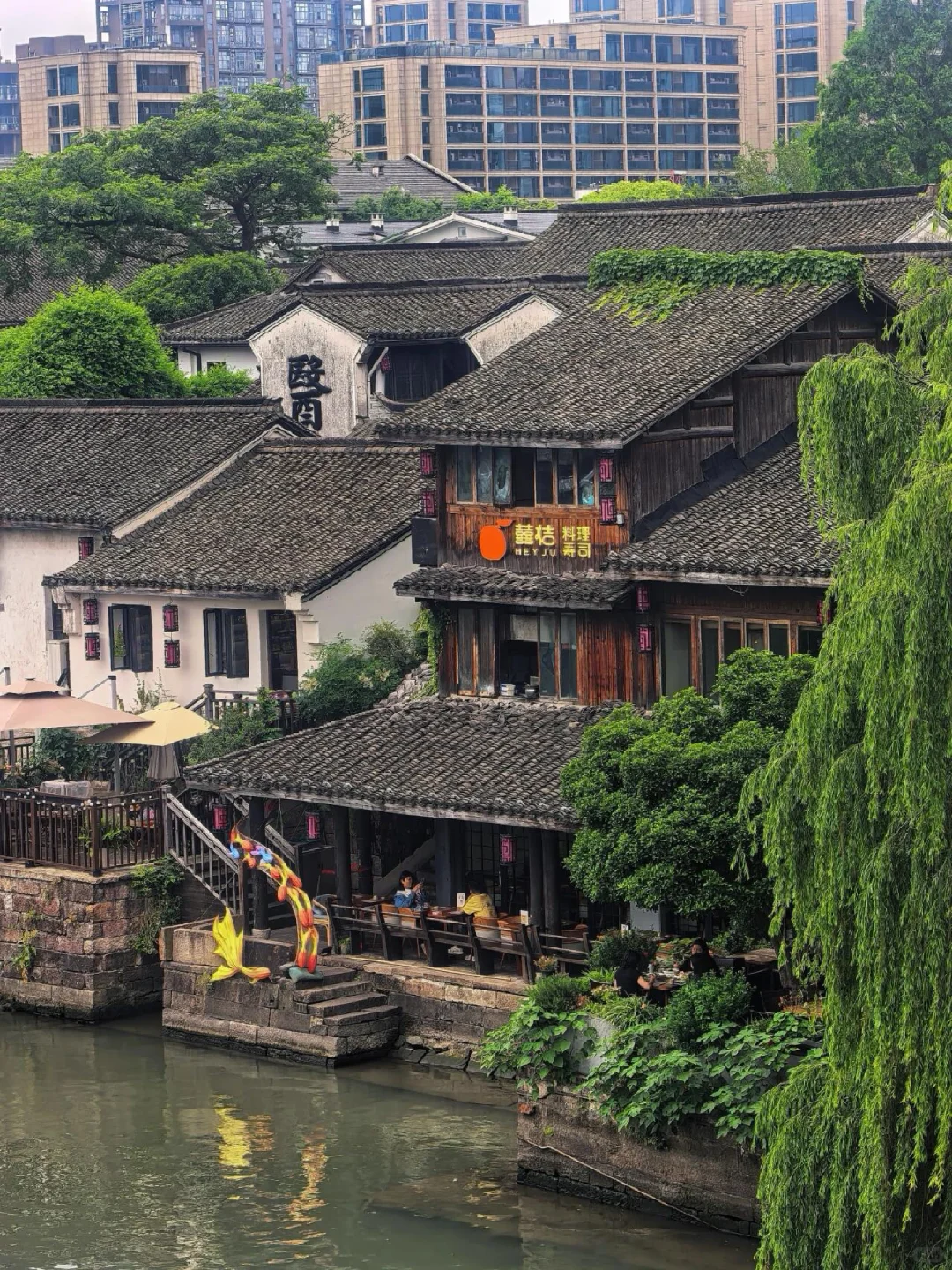
Cobblestone lanes, whitewashed walls, black-tiled roofs, and wooden latticed windows preserve the late Qing to early Republican-era Jiangnan architectural style.
Home to several national-level intangible cultural heritage museums:
China Knife, Scissors & Sword Museum
China Fan Museum
China Umbrella Museum
Hangzhou Arts & Crafts Museum (All free; ID required for reservation via official WeChat account)
Authentic local scenes:
Elders washing vegetables by the canal at dawn
Neighbors chatting on stools outside alleyways
Young locals grabbing breakfast baozi and soy milk in pajamas
3.Canal Culture Square & Grand Canal Museum
Just east of the bridge lies Hangzhou Canal Culture Square, often hosting folk performances.
The Beijing-Hangzhou Grand Canal Museum (free entry) offers an immersive journey through 2,500 years of canal history—from its Spring and Autumn origins to modern revitalization.
4.Hidden Alleyways – The Heartbeat of the City
Lanes like Jixiang Fourth Lane, Tonghe Li, and Ruyi Li wind deep into residential quarters, draped in ivy and shaded by laundry lines.
This isn’t staged scenery—it’s a living neighborhood, where community warmth feels immediate and real.
Local secret: Ruyi Noodle Shop—a tiny eatery known only to residents, serving comforting Pian’erchuan noodle soup even to customers in slippers!
🚌Getting There
Metro: Line 5 to “Gongchenqiao East” (most convenient)
Water Bus: Take Water Bus Line 1 (¥3) from Wulinmen Wharf—arrive in 40 minutes while enjoying scenic canal views!
Bus: Routes 151, 61, 76, etc., to “Gongchen Bridge” stop
Car: Paid parking available (e.g., underground lot at Canal Square)
🍜Local Eats Nearby
Fang Laoda Noodles: Famous for authentic Hangzhou-style noodles—try Pian’erchuan or eel noodles
Teahouses & Cafés along Xiaohe Straight Street (10-min walk): Sip Longjing tea with canal views
Traditional Snacks: Ding Sheng Gao (steamed rice cake), Cong Bao Hui (fried spring rolls with scallions), Wu Shan crispy pastries
💡Tips for Visitors
✅ Free reservations required for museums—book via “Hangzhou Canal Museums” official WeChat account
📸 Photography spots:
Full view from Canal Square (east side)
Reflections from the riverside path (west side)
Morning street life in the alleyways
👟 Wear comfortable shoes: Cobblestones are uneven; alleys are narrow
🌧️ Rain enhances the mood: Misty rain turns the bridge into a living ink painting—perfect for a quiet stroll with an umbrella
Gongchen Bridge may lack the fame of West Lake, but it holds the calmest pulse of the Grand Canal. Here, you’ll see history—in the cracks of ancient stones; and you’ll see life—in the grandmother’s market basket, the child’s laughter, the steam rising from a teacup.This is Hangzhou—alive, breathing, and real.
Need help with a one-day itinerary, museum booking links, or a list of hidden cafés? Feel free to ask!


Join The Discussion