
Hu Xueyan’s Former Residence | The Grandest Mansion of Late Qing China – A Legacy of the “Red-Top Merchant”
Located at No. 18 Yuanyuan Street in Shangcheng District, Hangzhou, Hu Xueyan’s Former Residence is the private mansion of the famed late Qing dynasty entrepreneur Hu Xueyan (1823–1885). Constructed between 1872 and 1875 (during the Tongzhi era) at a staggering cost of 3 million taels of silver, this magnificent estate spans 10.5 mu (approximately 7,000 square meters) and features over 130 rooms. Renowned as “China’s grandest private residence of the late Qing dynasty,” it remains the largest and best-preserved Qing-era merchant mansion in Hangzhou.
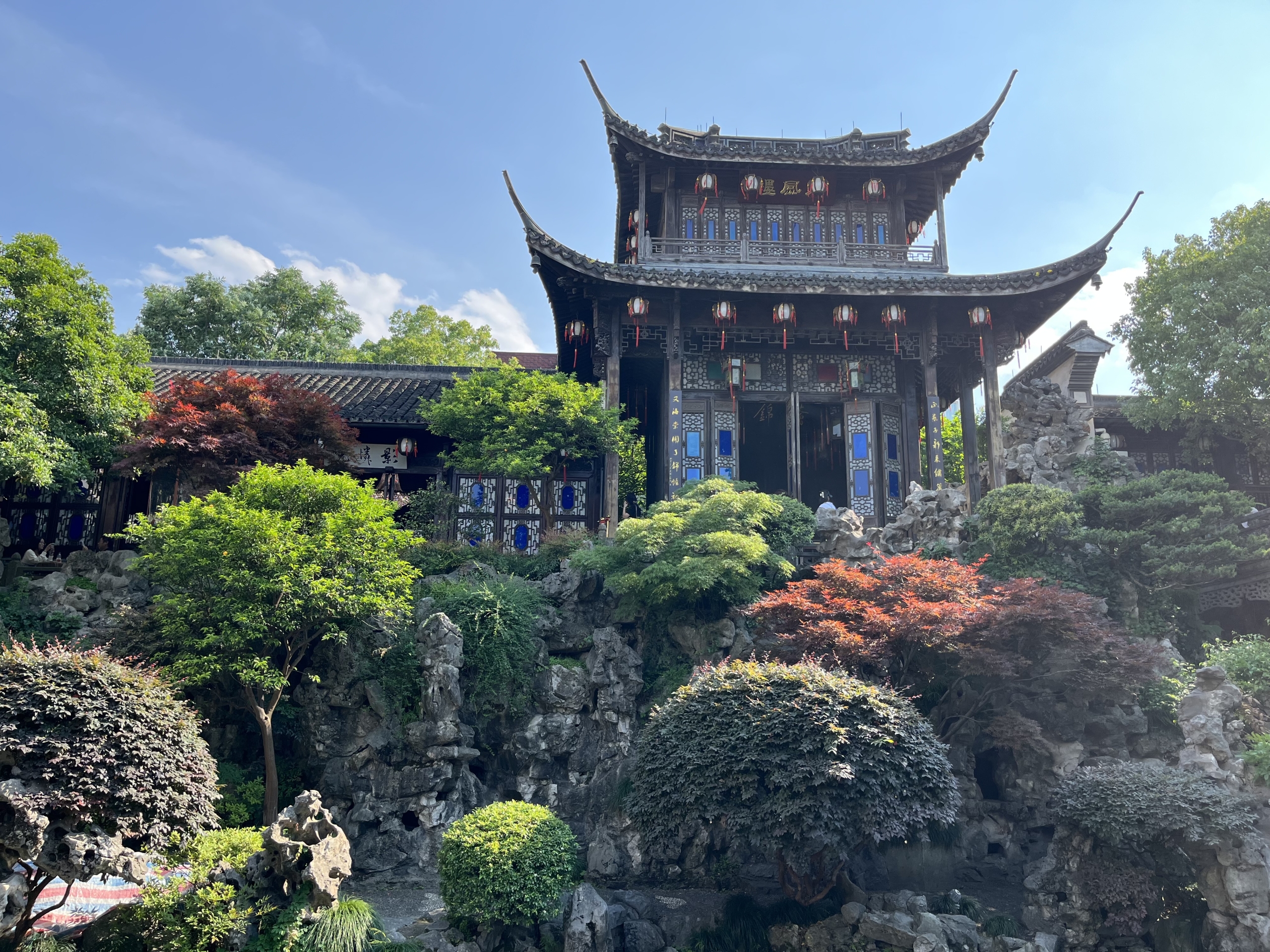
The Man Behind the Mansion: Hu Xueyan
- Born into poverty in Jixi, Anhui Province, Hu Xueyan moved to Hangzhou as a youth and rose through sheer business acumen and strategic political connections.
- He founded Fukang Qianzhuang (a major private bank) and Hu Qing Yu Tang, China’s most prestigious traditional Chinese medicine pharmacy.
- At his peak, he dominated national finance and herbal medicine trade.
- For aiding General Zuo Zongtang in financing military campaigns to reclaim Xinjiang, he was awarded the rare honor of wearing a yellow riding jacket and granted the official title of Provincial Administration Commissioner (rank 2b)—earning him the nickname “Red-Top Merchant.”
- His empire collapsed amid political intrigue and financial crises in his later years. The mansion was seized by the government and changed hands multiple times before being restored and opened to the public in the late 20th century.
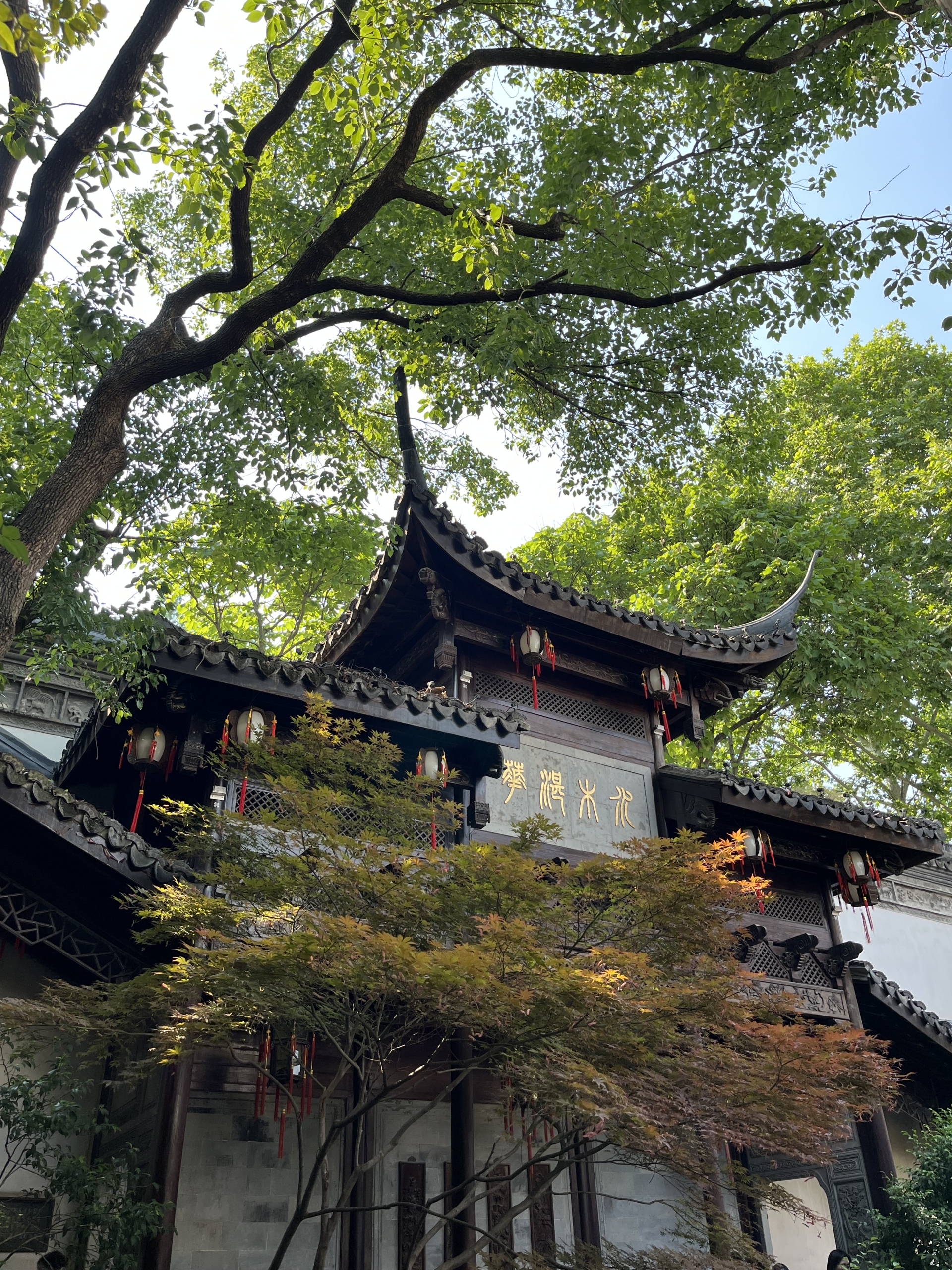
Architectural Splendor: A Fusion of Tradition and Luxury
The residence masterfully blends Huizhou-style architecture, Jiangnan garden aesthetics, and subtle Western influences—representing the pinnacle of 19th-century Chinese residential design:
- Thoughtful Layout: Organized into three sections—central, east, and west—with symmetrical axes and distinct functional zones: commercial space in front, private quarters behind, gardens to the side.
- Exquisite Materials:
- Floors paved with Ningbo red stone and Suzhou “golden bricks”
- Beams and columns crafted from nanmu (phoebe wood), ginkgo, and rosewood
- Doors and windows inlaid with mother-of-pearl, jade, and ivory
- Walls adorned with gold-leaf murals and enamel-glazed tiles
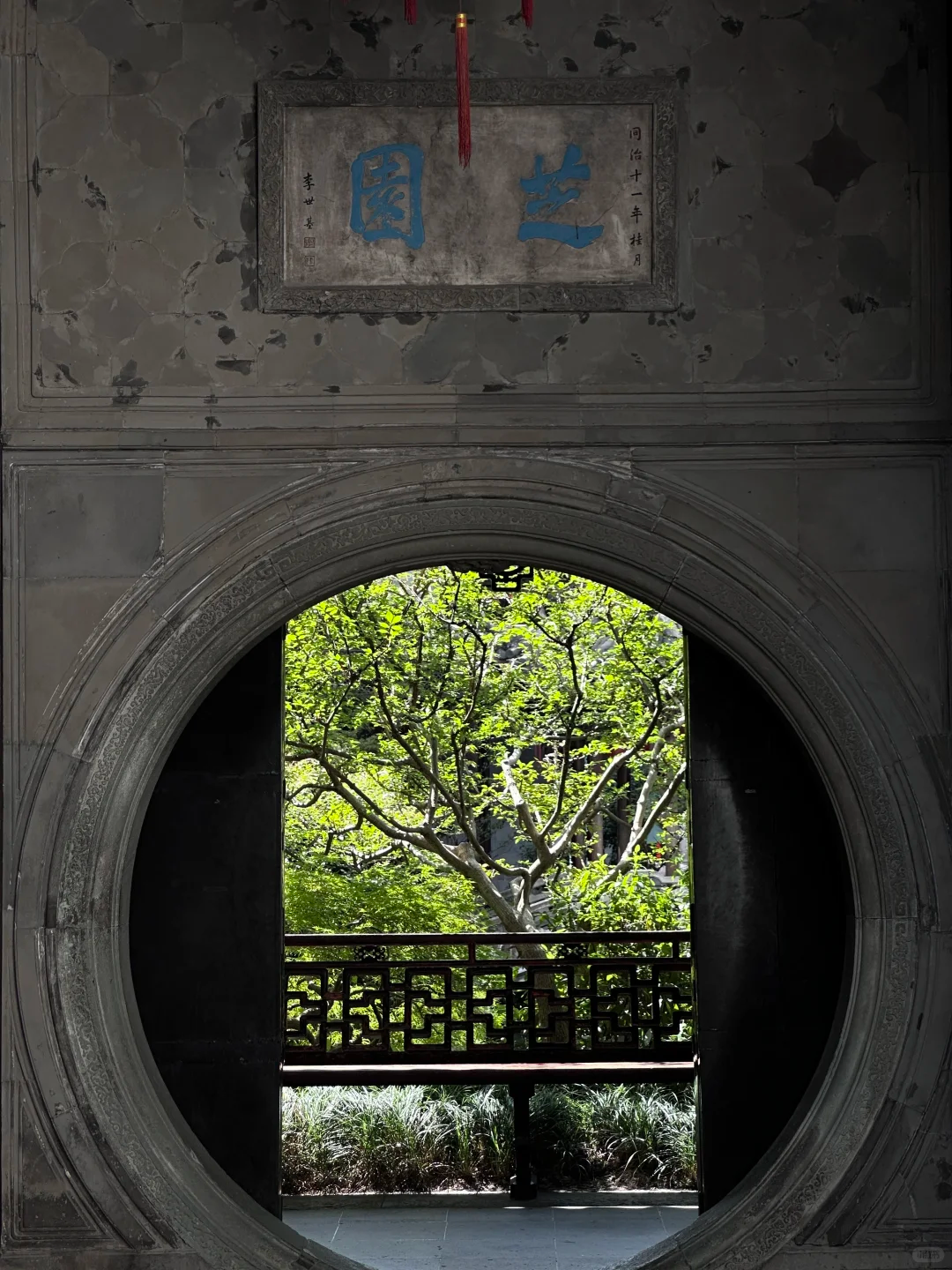
- The Zhi Garden – Heart of the Estate:
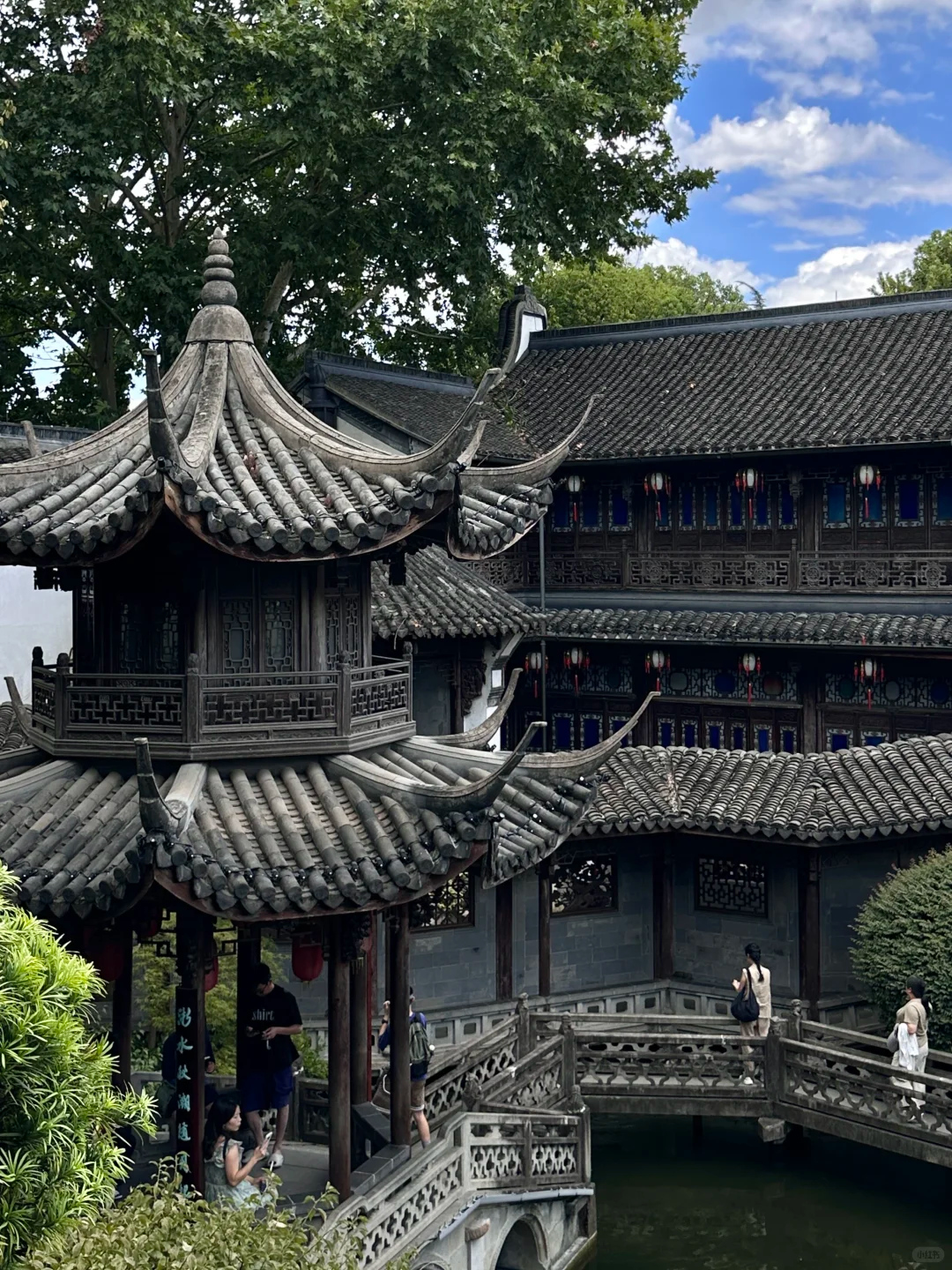
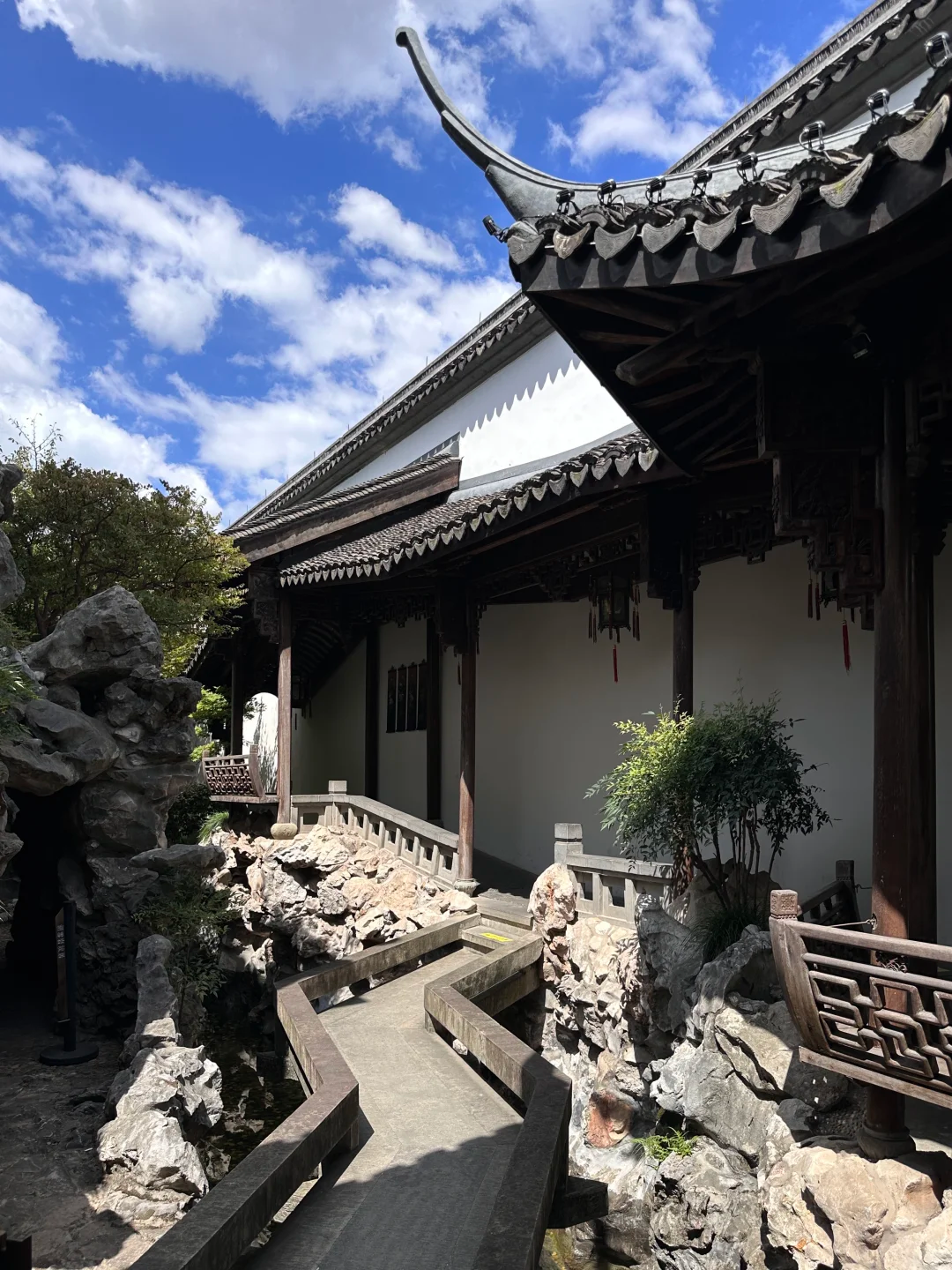
- Highlights include the Mandarin Duck Pond, Huilong Pavilion, and Yinglian Courtyard, where every turn reveals poetic scenery.
- East Meets West: Select rooms feature stained-glass windows, European clocks, and marble fireplaces, reflecting the cosmopolitan spirit of the late Qing era.
Cultural Significance
- Designated a National Key Cultural Relics Protection Unit in 2006.
- Serves as a vital physical record for studying late Qing commercial history, architectural art, and urban elite life.
- Together with Hu Qing Yu Tang Pharmacy (located nearby), it embodies Hu Xueyan’s philosophy of “merchants with scholarly virtue, using wealth to serve society.”
Visitor Information
- Address: No. 18 Yuanyuan Street, Shangcheng District, Hangzhou (near Hefang Street and Southern Song Imperial Street)
- Getting There: Exit C of Wushan Square Station (Metro Line 7), ~8-minute walk; or take a bus to Gulou (Drum Tower) Stop
- Opening Hours: 8:00 AM – 5:30 PM (last entry at 5:00 PM)
- Admission: ¥20 for adults (advance reservation recommended)
- Recommended Visit Duration: 1–1.5 hours
- Must-See Highlights:
- The grotto and mountain in Zhi Garden
- Bai Shi Lou (Hundred Lions Hall) – built with precious nanmu wood
- Qingya Hall – used for receiving distinguished guests
- Director’s Office – Hu Xueyan’s private workspace
- Hu Qing Yu Tang Historic Site (adjacent to the residence)
Tip:
The residence forms a “cultural golden triangle” with Hefang Street, Southern Song Imperial Street, and Drum Tower. Consider combining them into a half-day walking tour. For a quieter experience, visit on weekday mornings.

Join The Discussion